
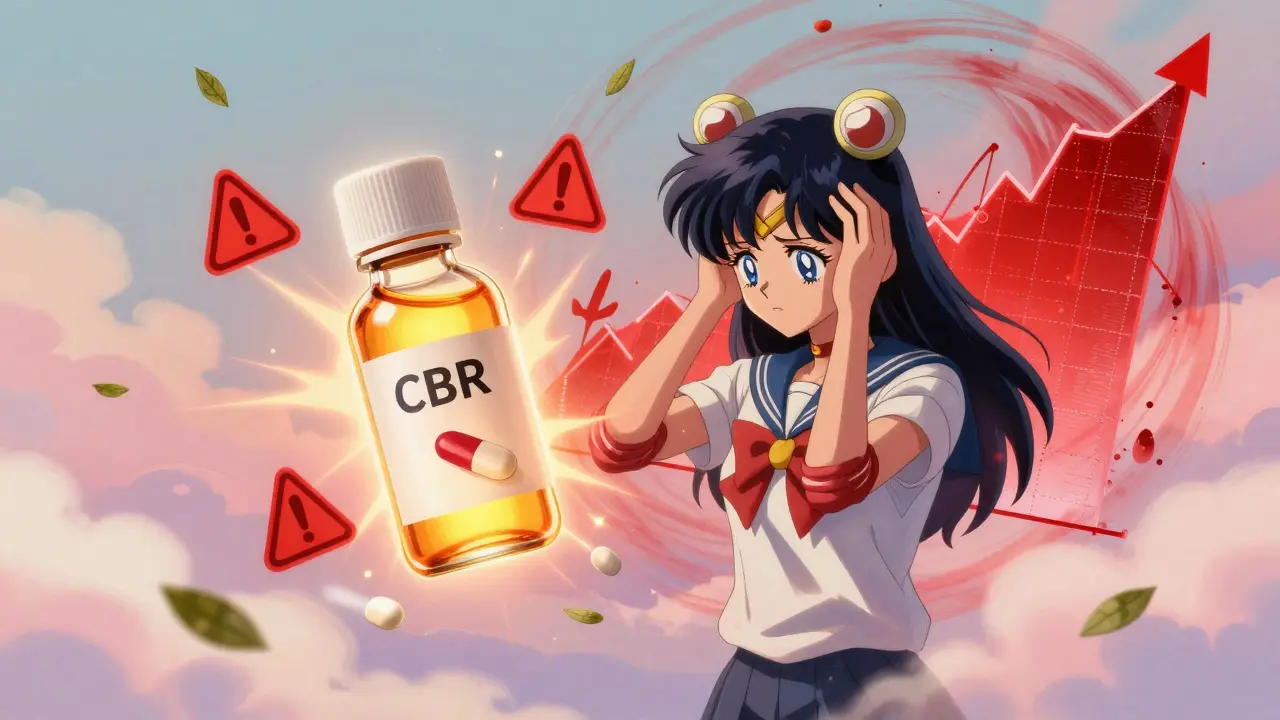
Why Cannabis Can Change How Your Medications Work
Many people use cannabis - whether it’s CBD oil for anxiety, THC for pain, or full-spectrum products for sleep - without realizing it might be changing how their other medicines work. This isn’t just theoretical. Real people are ending up in the hospital because of these interactions. If you’re taking warfarin, clobazam, or even something as common as oxycodone, combining it with cannabis could be riskier than you think.
The Science Behind the Interactions
Your liver uses enzymes called cytochrome P450 to break down most medications. About 60% of all prescription drugs rely on these enzymes to be processed and cleared from your body. CBD and THC, the main compounds in cannabis, block some of these enzymes - especially CYP3A4 and CYP2C9. When that happens, your medications don’t get broken down as quickly. That means they build up in your system, sometimes to dangerous levels.
For example, CBD can raise the levels of clobazam - a seizure medication - by up to 500%. That’s not a small change. Patients have reported being so sedated they couldn’t walk straight. In one documented case, a neurologist cut the clobazam dose by 40% after the patient started using CBD oil. That’s not an outlier. A 2023 Epilepsy Foundation survey found that 63% of people using CBD with clobazam felt unusually drowsy.
THC does something similar with warfarin, the blood thinner. When people use cannabis while on warfarin, their INR (a measure of blood clotting time) can spike by 29% to 48% within just three days. That’s enough to cause internal bleeding. The American College of Clinical Pharmacy documented 12 cases of life-threatening bleeding linked to this combo. The American Society of Health-System Pharmacists now recommends checking INR every 3 to 5 days for anyone using cannabis with warfarin - not once a week like usual.
High-Risk Medications to Avoid With Cannabis
Some medications are just too dangerous to mix with cannabis. Here are the ones that require absolute caution:
- Warfarin: Even a small amount of CBD or THC can push INR levels into the danger zone. One Reddit user described noticing unexplained bruising within a week of starting CBD oil. That’s a red flag.
- Tacrolimus: Used after organ transplants to prevent rejection. Cannabis can raise tacrolimus levels by 300% to 500%. That can lead to kidney damage or even organ failure.
- Clobazam: Already mentioned, but worth repeating. The interaction is so strong that dose reductions are standard practice when CBD is added.
These aren’t rare cases. They’re documented in medical journals, patient reports, and clinical guidelines. If you’re on any of these, talk to your doctor before using cannabis - even if it’s just a few drops of CBD oil.

Moderate-Risk Interactions: Watch for Changes
Other medications won’t cause emergencies, but they can still make you feel off. These need monitoring:
- Benzodiazepines (like alprazolam or lorazepam): Cannabis boosts sedation. In elderly patients, this raises fall risk by 47%. One user on Reddit said they felt like they were "drunk without drinking."
- Opioids (like oxycodone or morphine): Cannabis can slow how fast your body clears these drugs. That increases the risk of breathing problems - especially if you’re already on high doses.
- Calcium channel blockers (like amlodipine): These are used for high blood pressure. Cannabis can raise their levels by 30-40%, causing dizziness or fainting in 15-25% of users.
Some people report no issues - like one Reddit user who used 50mg of CBD daily with oxycodone for eight months with no side effects. But that’s not the norm. Your body might handle it fine, but someone else’s might not. That’s why monitoring matters.
Low-Risk, But Still Worth Knowing
Some interactions are mild. For example:
- SSRIs (like sertraline): CBD may raise levels by 10-15%, but most people don’t notice any change. A 2023 survey found 41% of users on SSRIs reported zero effects from adding CBD.
- Statins (like atorvastatin): Levels go up by 20-25%, but no cases of muscle damage (rhabdomyolysis) have been linked to this combo.
Still, don’t assume it’s safe just because the risk is low. Everyone’s body reacts differently. If you’re on a statin and start feeling unusually tired or achy after adding CBD, get your muscle enzymes checked.
How You Take Cannabis Changes the Risk
Not all cannabis use is the same. The way you take it affects how quickly it hits your system - and how long it interferes with your meds.
- Inhalation (smoking or vaping): THC peaks in your blood within 6 to 10 minutes. This creates a sharp, short-lived interaction window. It’s risky if you’re taking a sedative right after - you could pass out or have trouble breathing.
- Oral (oils, edibles): CBD takes 2 to 4 hours to peak, and effects last 6 to 8 hours. That means it’s interacting with your meds all day. This is why warfarin users are told to monitor INR for 72 hours after starting CBD oil.
- Full-spectrum vs. isolate: Full-spectrum products contain trace amounts of THC and other cannabinoids. These can be 22-37% more potent at blocking liver enzymes than pure CBD isolate. So even "low-THC" products aren’t necessarily safer.
One surprising twist: smoked cannabis can actually lower levels of the asthma drug theophylline by 25-30% because it activates a different liver enzyme. That’s the opposite of what happens with most drugs. This shows how unpredictable cannabis can be.
What You Should Do Right Now
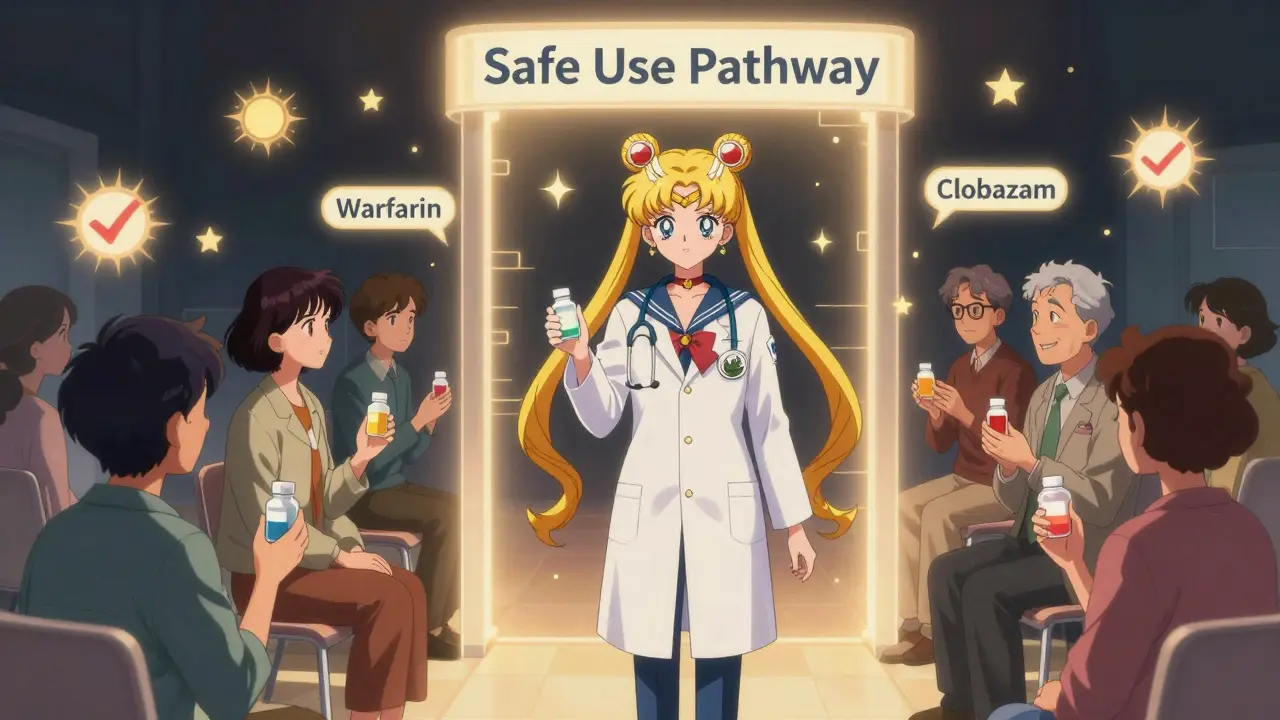
If you’re using cannabis and taking any prescription meds, here’s what to do:
- Be honest with your doctor. Don’t say "I use weed." Say: "I take 25mg of CBD oil every night for sleep," or "I smoke a joint on weekends." Details matter.
- Check your meds. Look up your medications in the University of Washington’s Cannabis Drug Interactions tool (updated quarterly). It’s free and reliable.
- Get baseline tests. If you’re on warfarin, tacrolimus, or clobazam, ask for a blood test before starting cannabis. Then test again 48-72 hours after your first dose.
- Start low and go slow. If you’re trying CBD for the first time, start with 5mg. Wait 3 days. Check for side effects. Don’t jump to 50mg.
- Don’t mix with alcohol or sedatives. That’s a recipe for over-sedation. One study showed a 60% increase in drowsiness when cannabis was combined with benzodiazepines.
Pharmacists in Pennsylvania are now trained to warn patients: "Even weekend recreational cannabis use can increase bleeding risk by 300% within 48 hours if you’re on warfarin." That’s not hype. That’s data.
What’s Still Unknown
There are big gaps in what we know. We don’t yet have solid data on how cannabis interacts with newer drugs like GLP-1 agonists (used for diabetes and weight loss), even though nearly 30% of cannabis users have diabetes. We also don’t know the long-term effects of daily CBD use on liver function over years.
The FDA launched a clinical trials network in 2023 to study these interactions. Results won’t be ready until late 2025. Until then, we’re working with what we have: real patient stories, case reports, and enzyme studies.
Bottom Line
Cannabis isn’t harmless just because it’s natural. It’s a powerful substance that changes how your body handles other drugs. For some people, it’s a safe addition. For others, it’s a hidden danger. The difference comes down to what you’re taking, how much you use, and whether you’re monitoring the effects.
If you’re unsure, don’t guess. Talk to your doctor or pharmacist. Bring your CBD bottle. Tell them exactly what you’re using and how often. It’s not about judgment - it’s about safety.
Medications save lives. Cannabis can help too. But when they mix, the outcome isn’t always predictable. Be informed. Be cautious. And never assume it’s safe just because no one told you otherwise.
Can I take CBD with my blood thinner like warfarin?
No - not without close medical supervision. CBD and THC can significantly raise warfarin levels in your blood, increasing your INR by 29% to 48% within 72 hours. This raises your risk of dangerous bleeding. If you’re on warfarin and want to try CBD, your doctor must check your INR before you start, then again 48 to 72 hours after your first dose. Many experts recommend avoiding this combination entirely.
Does CBD interact with antidepressants like sertraline?
CBD may slightly raise sertraline levels by 10-15%, but most people don’t notice any side effects. A 2023 survey of 872 users found that 41% reported no change at all when adding CBD. While the interaction exists, it’s considered low-risk. Still, if you feel unusually anxious, jittery, or nauseous after starting CBD, talk to your doctor.
Is full-spectrum CBD more dangerous than CBD isolate?
Yes. Full-spectrum CBD contains trace amounts of THC and other cannabinoids, which enhance the inhibition of liver enzymes like CYP3A4. Studies show full-spectrum products are 22-37% more potent at blocking these enzymes than pure CBD isolate at the same dose. If you’re on a medication with a narrow therapeutic window (like warfarin or clobazam), isolate may be safer - but only if you’re under medical supervision.
How long after taking cannabis should I wait before taking my medication?
Some sources suggest spacing CBD and medications by 2 hours to reduce interaction risk, but there’s no strong evidence this works. The liver enzyme inhibition lasts for hours - even days - after taking CBD. Timing won’t fix the problem. The only reliable approach is to monitor your drug levels (like INR for warfarin) and adjust doses under medical guidance.
Can I use cannabis if I’m on seizure medication like clobazam?
Many people do - especially those with epilepsy. In fact, the FDA-approved CBD drug Epidiolex is used specifically for certain seizure disorders. But when taken with clobazam, CBD can raise its levels by up to 500%. This often causes extreme drowsiness. Most neurologists reduce the clobazam dose by 25-50% when adding CBD. Never adjust your seizure meds on your own. Always work with your neurologist.
Are there any medications that are safe to mix with cannabis?
There’s no blanket answer. Some medications, like certain statins or SSRIs, have minimal interaction risk based on current data. But "minimal" doesn’t mean "none." Even low-risk interactions can affect you differently than someone else. The safest approach is always to disclose your cannabis use to your prescriber and get personalized advice. Never assume a medication is safe just because you didn’t hear about risks.

Bryan Coleman
January 31, 2026 AT 08:47Lilliana Lowe
February 1, 2026 AT 21:48Naomi Walsh
February 2, 2026 AT 23:53vivian papadatu
February 4, 2026 AT 11:29Melissa Melville
February 4, 2026 AT 14:15Deep Rank
February 6, 2026 AT 11:40Sami Sahil
February 7, 2026 AT 06:03Naresh L
February 7, 2026 AT 15:52