

When a teenager stops eating, sleeps all day, or says they feel like a burden, it’s not just moodiness. It’s depression - and it doesn’t disappear because they’re "just going through a phase." In the UK and across the world, child and adolescent depression is rising, with nearly 1 in 5 teens showing symptoms severe enough to need treatment. The good news? There are proven ways to help. The better news? Family therapy and medication aren’t rivals - they’re partners. Used right, they can change a child’s life.
Why Family Therapy Isn’t Just "Talking It Out"
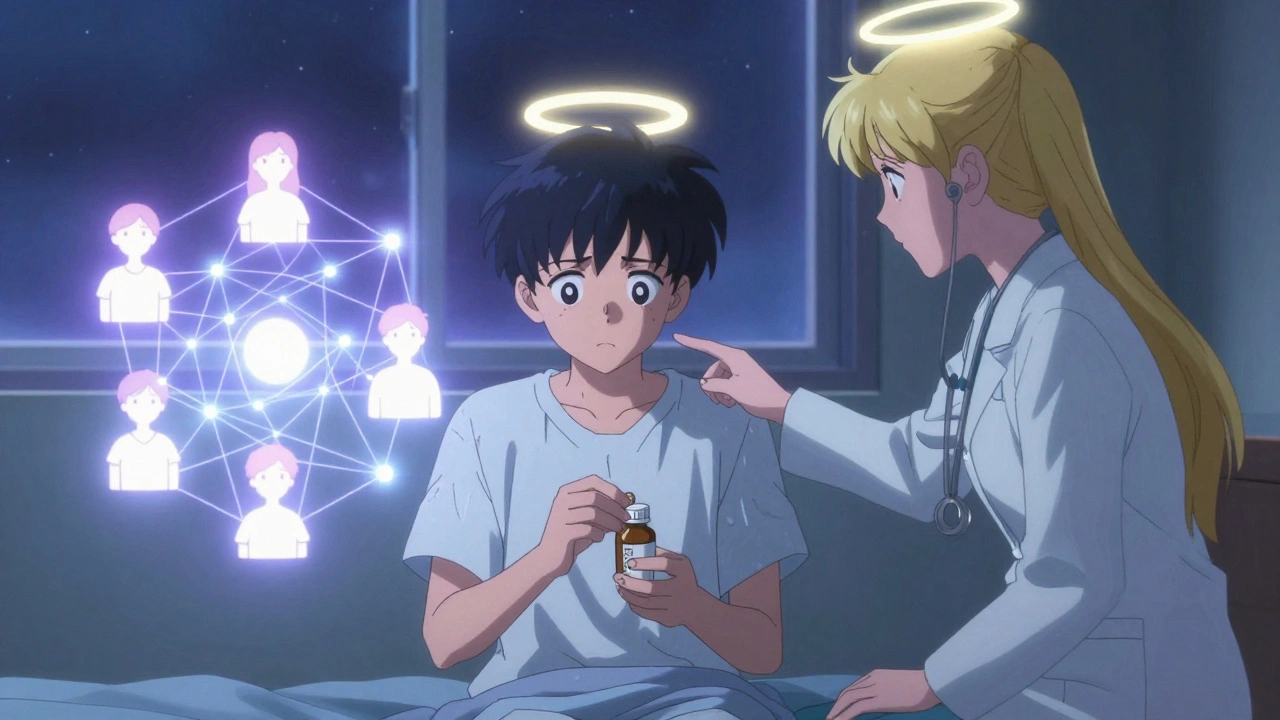
Many parents think family therapy means sitting in a circle, sharing feelings, and hoping for the best. That’s not what it is. Evidence-based family therapy for depression is structured, goal-driven, and focused on fixing broken patterns - not just talking about them. One of the most effective models is Attachment-Based Family Therapy (ABFT). It doesn’t blame parents. Instead, it helps repair the emotional connection between parent and child. When a teen feels misunderstood or rejected, their brain goes into survival mode. Depression follows. ABFT works by guiding parents to say the right things at the right time: "I see how hard this is," or "I’m not going anywhere," instead of "Just snap out of it." A 2022 study from Jefferson Digital Commons found teens in ABFT cut their suicidal thoughts in half faster than those getting standard care. Why? Because the therapy targets the root: isolation. When a teen feels safe with their family again, their brain stops signaling danger - and depression loses its grip. Other models like Structural Family Therapy fix power imbalances. Maybe mom and dad are fighting over who’s "in charge" of the teen’s behavior, leaving the teen feeling powerless. Or maybe the teen has taken on the role of emotional caretaker for a parent. These roles don’t belong to them. Therapy helps reset the family hierarchy so the teen can be a kid again.When Medication Makes Sense - And When It Doesn’t
Medication isn’t the first step. But it’s not the last resort either. The FDA has only approved two antidepressants for teens: fluoxetine (Prozac) and escitalopram (Lexapro). That’s it. Other SSRIs like sertraline or citalopram are sometimes prescribed off-label, but they’re not backed by the same level of safety data in young people. Why only these two? Because in clinical trials, they showed the best balance of benefit and risk. Fluoxetine, for example, works for about 60% of teens with moderate to severe depression. But here’s the catch: it takes 4 to 6 weeks to start working. And in the first few weeks, some teens feel worse - more anxious, more restless, even more suicidal. That’s why the FDA requires a black box warning. It’s not scare tactics. It’s safety. Doctors don’t start medication unless:- The depression is moderate to severe
- Therapy alone hasn’t helped after 8 weeks
- The teen is at risk of self-harm or has stopped eating/sleeping
Combining Both: The Gold Standard
The Agency for Healthcare Research and Quality reviewed over 40 studies and found one clear winner: combining therapy and medication works better than either alone. In the Treatment for Adolescents with Depression Study (TADS), teens who got fluoxetine plus CBT had a 71% response rate after 12 weeks. Those on medication alone? 61%. Those on therapy alone? 43%. The combo didn’t just lift mood - it helped teens go back to school, reconnect with friends, and start caring about their future again. But here’s what most people miss: family therapy can be just as powerful as medication - and without the side effects. A 2023 meta-analysis found family therapy reduced depressive symptoms by 30% compared to no treatment. Not as fast as medication, but longer-lasting. And no risk of weight gain, insomnia, or emotional numbness. For teens with high family conflict, family therapy is often the only thing that works. One 15-year-old from Leeds told her therapist: "My mom yells. My dad shuts down. I feel like I’m screaming into a wall. Therapy didn’t fix me. It fixed how we talk."What Family Therapy Actually Looks Like
It’s not a weekly chat. It’s a 12- to 16-week program with clear steps:- Assessment: Therapists use tools like the Family Assessment Device to spot dysfunction - like poor communication, emotional distance, or blame games.
- Re-engagement: The therapist helps the teen and parent reconnect emotionally. This often means the parent apologizes for past dismissiveness - not in a performative way, but with real accountability.
- Problem-solving: Families learn to solve conflicts without yelling. Instead of "You never clean your room," it becomes, "I’m worried about your grades. Can we figure out a system that works?"
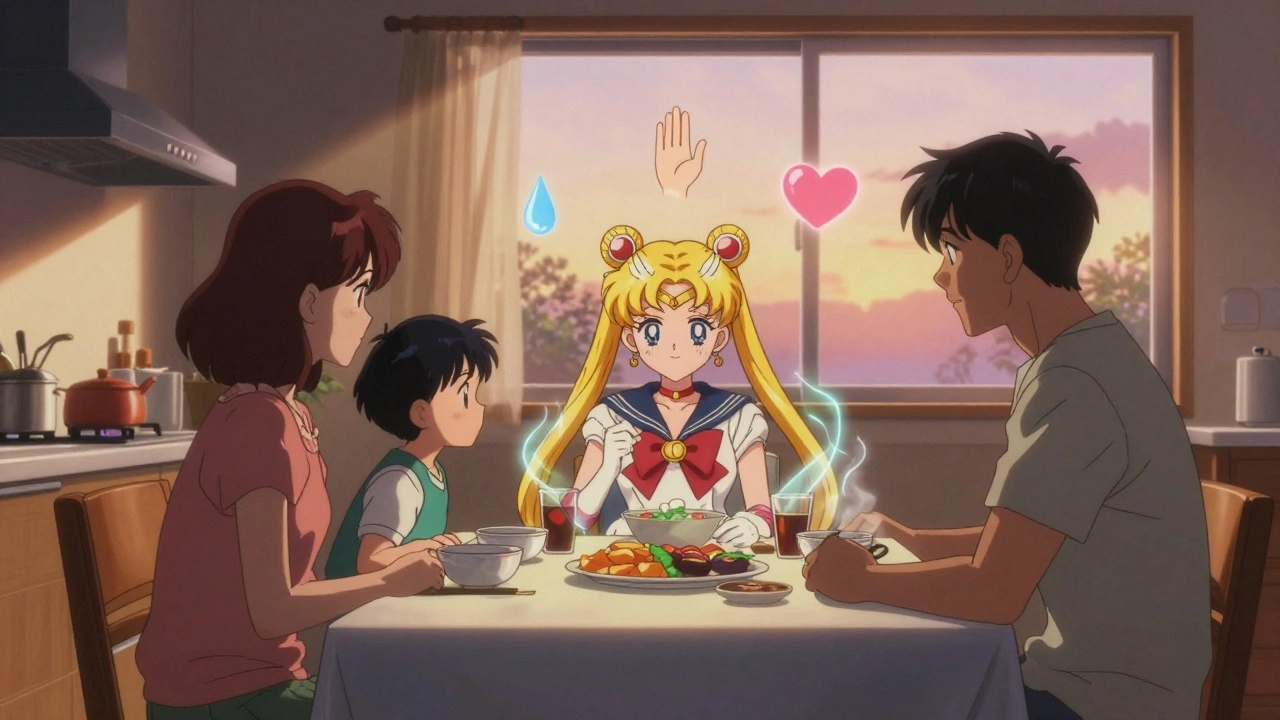
- Strengthening attachment: Simple rituals - weekly walks, shared meals, bedtime talks - rebuild trust. No phones. No distractions.
Real Stories: What Works - and What Doesn’t
In online forums, teens and parents share raw experiences: - A 16-year-old in Manchester: "My dad cried in session for the first time. He said he didn’t know how to help me. That broke me open. I started talking again." - A mum in Leeds: "We did 10 sessions. I learned to stop saying "just be happy." Now I say, "I’m here. Tell me what you need." My daughter’s back in school." But not all stories are happy: - "Therapist took my side. My parents left halfway through. We stopped going." - "We spent £800 on sessions. My dad didn’t show up once. Felt like a waste." The difference? Commitment. If even one parent refuses to participate, therapy stalls. If the teen feels judged, they shut down.Barriers Everyone Ignores
There’s a huge gap between what works and what’s available. In the UK, there are only about 8,500 certified child and adolescent family therapists for 42 million teens. Wait times? Up to 18 months in some areas. That’s why many families turn to medication first - not because it’s better, but because it’s faster. Other barriers:- Cultural stigma: Some families believe depression is weakness or a spiritual failing.
- Cost: Private therapy can cost £80-£120 per session. NHS access is limited.
- Logistics: Getting three people to the same room on a Tuesday night? Nearly impossible.
What to Do Right Now
If you suspect your child or teen is depressed:- Don’t wait. Early intervention cuts long-term risk by 50%.
- Start with therapy. Ask your GP for a referral to a child and adolescent mental health service (CAMHS). Ask if they offer ABFT or structural family therapy.
- If symptoms are severe - sleep loss, weight loss, talk of dying - ask about fluoxetine or escitalopram. But only with close monitoring.
- Join a support group. NAMI and YoungMinds offer free parent workshops on communication skills.
- Check your own behavior. Are you criticizing? Over-controlling? Ignoring? Change starts with you.
What’s Coming Next
The future is promising. In 2024, the National Institute of Mental Health launched a £4.7 million project to train 200 new family therapists across the UK. The goal? Cut wait times by half. Researchers are also testing genetic tests to predict who responds best to medication. One study found 68% of SSRI response can be linked to specific genes. That means in 5 years, doctors might know before prescribing: "This teen will likely benefit from fluoxetine. This one needs therapy first." And the cost? Family therapy saves money long-term. Johns Hopkins found it costs £12,500 per quality-adjusted life year - compared to £18,200 for medication alone. That’s not just better outcomes. It’s better value.Frequently Asked Questions
Can family therapy help if my teen refuses to talk?
Yes. Family therapy doesn’t require the teen to talk first. Therapists work with parents to change how they respond - which often shifts the teen’s behavior. A parent who stops yelling and starts listening creates space for the teen to open up. In fact, many teens start speaking only after seeing their parents change.
Is medication dangerous for teens?
All medications carry risks, but fluoxetine and escitalopram are the safest options for teens. The FDA’s black box warning is about increased suicidal thoughts in the first few weeks - not long-term danger. With monthly check-ins and parental monitoring, risks drop dramatically. Most teens who stay on medication for 6 months report feeling better, not worse. Stopping abruptly can cause withdrawal symptoms, so always taper under a doctor’s care.
How long does family therapy take to work?
Most families see changes in 6 to 8 weeks. Improvement in communication, reduced arguing, and better emotional connection happen before mood lifts. Depression symptoms usually improve by week 12. The goal isn’t to "fix" the teen - it’s to fix how the family interacts. That’s what creates lasting change.
What if one parent won’t come to therapy?
Therapy can still work. Many models allow for single-parent sessions or even parent-only sessions at first. The goal is to equip the participating parent with tools to change family dynamics. Sometimes, one parent’s new behavior is enough to shift the whole system. If the other parent refuses, the therapist can help the family adapt - without waiting for their participation.
Can family therapy replace medication?
For mild to moderate depression, yes. For severe depression - especially with suicidal thoughts, sleep loss, or refusal to eat - medication often needs to be part of the plan. Family therapy alone can reduce symptoms by 30%, but medication can boost that to 60% or more. The best outcomes come from using both. Therapy builds long-term resilience. Medication gives breathing room to heal.

Courtney Black
December 9, 2025 AT 20:53Depression isn't a phase. It's a rewiring. And no amount of "just be happy" fixes a brain stuck in survival mode. Family therapy doesn't fix the kid-it fixes the ecosystem. When the environment stops screaming, the kid stops shutting down. Simple. But hard. Because parents have to admit they're part of the problem. And most won't.
iswarya bala
December 10, 2025 AT 01:29omg this is so true!! i saw my cousin go through this n her mom finally stopped yelling n started just hugging her after therapy… now she’s back in school n even smiles again 😭 we need more of this in india, not just meds n blaming the teen
om guru
December 10, 2025 AT 13:33Family therapy is the most underutilized intervention in adolescent mental health. Clinical evidence consistently demonstrates superior long term outcomes compared to pharmacological monotherapy. Structural reorganization of familial dynamics addresses root causes rather than symptomatic expression. The data is unequivocal.
Jennifer Blandford
December 11, 2025 AT 00:13My sister took 18 months to get therapy through the NHS. By then she was in a hospital. I cried reading this. We spent $3k on private sessions. My mom learned to say "I'm here" instead of "snap out of it." That one phrase saved her. I wish every parent had to sit through one session before they get to call their kid "dramatic."
Ronald Ezamaru
December 12, 2025 AT 04:40The TADS study is the gold standard for a reason. Combination therapy yields the highest response rates, lowest relapse, and best functional recovery. Fluoxetine’s black box warning is often misunderstood. It’s not about danger-it’s about monitoring. Teens on meds need weekly check-ins, not prescriptions handed out like candy. And therapy? It’s not optional. It’s the scaffolding that holds the recovery together.
Iris Carmen
December 13, 2025 AT 01:27my friend's dad refused to go to therapy so they stopped after 3 sessions. now she's back on meds n says she feels numb all the time. like… why do we make it so hard to fix this??
Rich Paul
December 14, 2025 AT 18:49look the real issue is we're overmedicating teens because we're too lazy to do the hard work. ABFT works but it takes time. You gotta show up. You gotta listen. You gotta stop treating your kid like a broken appliance. And yeah, meds can help but they're not magic. The brain needs connection, not just serotonin. Also, 72% completion rate on digital therapy? That's wild. We're basically just replacing human touch with apps. But hey, at least it's cheaper than crying in a therapist's office.
Delaine Kiara
December 16, 2025 AT 03:29My mom cried in therapy. Like, full ugly sobbing. Said she thought I hated her because I never talked. I didn’t say a word for 11 weeks. But she showed up. Every. Single. Week. And then one day I whispered, "I didn’t know how to tell you I was drowning." That’s when the real healing started. Not the meds. Not the school counselor. Her showing up. I still cry when I think about it. If you’re reading this and you’re a parent… just show up. Even if you don’t know what to say. Just be there. That’s all they need.