
When you pick up a generic pill from the pharmacy, you expect it to work just like the brand-name version - safe, effective, and consistent. But what happens when that pill doesn’t meet those standards? In 2024, the FDA issued 347 drug recalls, and nearly 9 out of 10 of them involved generic medications. Most of these weren’t random mistakes. They were the result of specific, measurable failures in manufacturing - failures that put real people at risk.
What Actually Causes a Generic Drug to Be Recalled?
Recalls don’t happen because a drug is “bad.” They happen because something went wrong in the process of making it. The FDA doesn’t randomly pull drugs off shelves. It acts when there’s clear evidence of a violation that could harm patients. The biggest triggers? Sterility failures. In nearly 37% of all recalls between 2012 and 2023, drugs were contaminated with bacteria or fungi because the manufacturing environment wasn’t clean enough. Think of it like cooking in a kitchen where the sink is clogged and the counters aren’t sanitized - you’re not just risking a bad meal, you’re risking infection. One 2024 recall involved injectable medications stored in rooms where air particles exceeded safe levels by 300%. Patients who received these could develop sepsis - a life-threatening reaction. Another major cause: labeling errors. In July 2024, a batch of potassium chloride injections was mislabeled - 20 mEq was marked as 10 mEq. That’s a 100% overdose risk. Potassium chloride can stop your heart if given too fast. One wrong label, one wrong syringe, one wrong nurse - and someone could die. That’s a Class I recall, the most serious category. Then there’s active ingredient potency. Generic drugs must contain the same amount of active ingredient as the brand. But if the powder is mixed unevenly, some pills might have too little - making them ineffective - or too much, causing toxicity. A 2023 recall of generic metformin found some tablets had 15% less active ingredient than required. Patients with diabetes who took those pills saw their blood sugar spike, leading to hospitalizations.Class I, Class II, Class III - What Do They Mean?
The FDA doesn’t just say “this drug is recalled.” It tells you how dangerous it is. There are three classes:- Class I: Highest risk. Use of the drug could cause serious injury or death. In 2024, 58% of recalls fell into this category. Examples: contaminated IV bags, mislabeled insulin, pills with toxic impurities.
- Class II: Might cause temporary or reversible harm. These are still serious - but less immediately life-threatening. Think: pills with the wrong strength, or packaging that lets in moisture and degrades the drug over time. This was the most common type in 2024, making up 62% of all recalls.
- Class III: Unlikely to cause harm, but violates FDA rules. Minor labeling mistakes, incorrect expiration dates, or packaging that doesn’t meet specs. These rarely affect health but still get pulled because they break the rules.
Why Are Foreign Factories a Big Problem?
About 80% of the active ingredients in U.S. generic drugs come from just two countries: India and China. That’s not a secret - it’s how the system works. But here’s the catch: the FDA inspects U.S. factories every 1.8 years on average. Foreign factories? Every 4.6 years. That gap isn’t just bureaucratic - it’s dangerous. In 2025, Glenmark Pharmaceuticals recalled nearly 40 generic drugs because of repeated violations at its Indian plant. The FDA hadn’t inspected that facility in over four years. Journalists found the same issues reported years earlier - but nothing changed. Meanwhile, U.S. factories are checked regularly, and if they fail, they’re shut down fast. The EU has mandatory recalls. If a drug fails quality control, the agency can force a recall within days. In the U.S., the FDA can only ask. Most manufacturers comply - but not always quickly. The average time between discovering a problem and issuing a recall in the U.S. is 42 days. In the EU, it’s 18.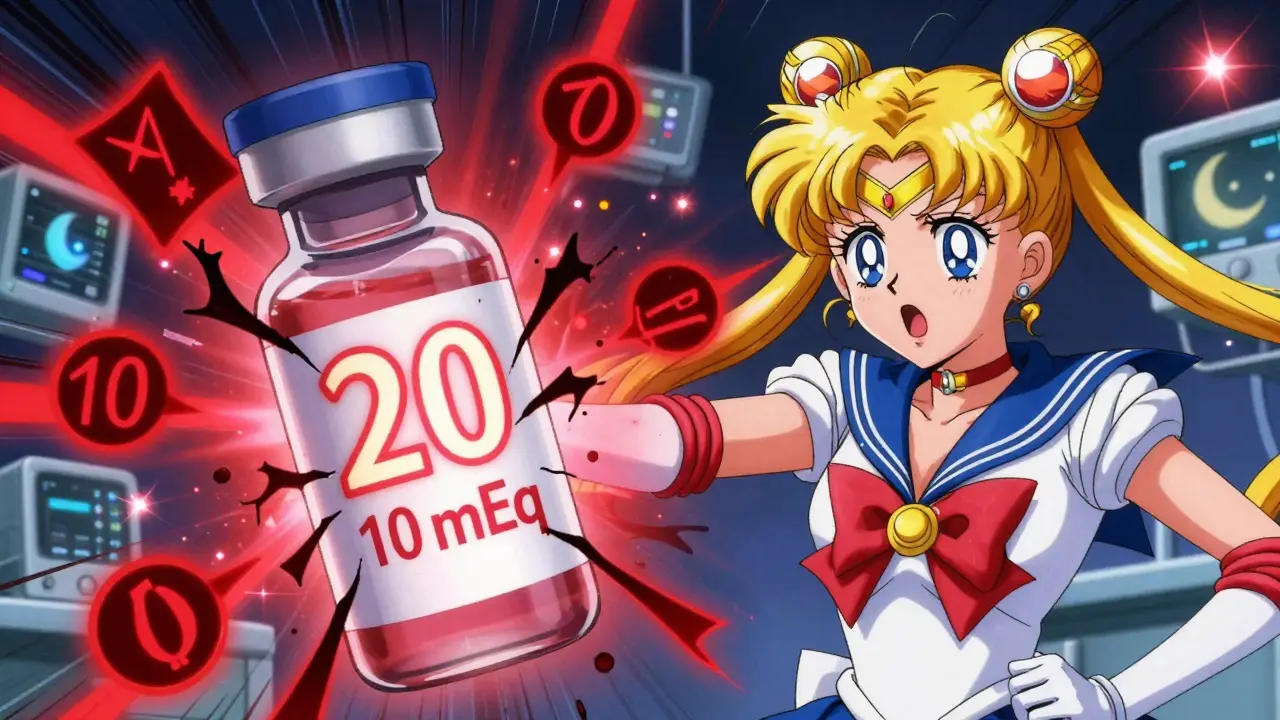
Who Notices the Problems First?
You might think the FDA catches everything. But the truth? Most recalls start with someone else. - Pharmacists notice pills look different or patients report side effects they’ve never seen before. - Nurses spot mislabeled vials in the ICU. - Patients post about strange reactions on forums like Drugs.com or Reddit. - Whistleblowers inside factories leak documents. In the Glenmark case, it was a journalist who dug up inspection reports that showed the FDA had flagged the same problems in 2020 - and nothing was done. That’s not a failure of the system. That’s a failure of enforcement. The FDA’s MedWatch system lets anyone report bad reactions - but only 3.2% of potential reports ever get filed. Most patients don’t know how. Or they think it won’t matter.What Happens When a Recall Is Issued?
Once a recall is announced, the clock starts ticking. The FDA requires hospitals and pharmacies to:- Check their inventory against the recall notice within 24 hours.
- Remove affected lots from shelves and storage.
- Identify patients who received the drug - and notify them within 72 hours.
What Should You Do If Your Medication Is Recalled?
Don’t panic. Don’t stop cold turkey. Here’s what actually works:- Check the lot number. Every bottle has one. Look it up on the FDA’s Enforcement Reports page. It’s free, searchable, and updated daily.
- Don’t throw it away. Some recalls require you to return the drug to the pharmacy. Others just say “stop using it.”
- Call your doctor. Never switch or stop a medication without talking to them. Stopping blood pressure or seizure meds suddenly can be deadly.
- Don’t rely on your pharmacy alone. They’re busy. Double-check the recall status yourself.
What’s Changing in 2025 and Beyond?
The system is starting to adapt. In April 2025, the FDA announced the Enhanced Oversight Initiative - targeting the top 12% of manufacturers responsible for 67% of recalls. They’ll now be inspected every year, not every 4.6 years. New laws are coming. The Pharmaceutical Supply Chain Security Act, introduced in May 2025, will require foreign manufacturers to share real-time quality data with the FDA. That’s huge. Right now, the FDA is flying blind between inspections. Technology is helping too. Some companies are using blockchain to track every pill from factory to pharmacy. Others are using AI to predict quality failures before they happen. One pilot program reduced sterility-related recalls by 22% by using real-time air monitoring in clean rooms. But the biggest problem remains: funding. The FDA’s budget covers only 17% of the inspections needed to keep up with global supply chains. Without more money, the gap will keep growing.Bottom Line: Trust, But Verify
Generic drugs are safe - most of the time. They save billions of dollars every year. But safety isn’t automatic. It’s built by constant checks, honest reporting, and strong oversight. If you take a generic drug, know this: your safety depends on more than just the label. It depends on who made it, how often they’re inspected, and whether someone noticed a problem before you did. Stay informed. Check the FDA’s website. Talk to your pharmacist. Don’t assume it’s safe just because it’s cheap. The system works - but only if you’re part of it.What should I do if I find out my generic medication has been recalled?
First, don’t panic or stop taking the medication without talking to your doctor. Some recalls are for minor issues like labeling errors, and stopping suddenly could be dangerous. Check the lot number on your bottle against the FDA’s Enforcement Reports database. Contact your pharmacy to confirm if your batch is affected. If it is, follow their instructions on returning the medication or getting a replacement. Always consult your healthcare provider before making any changes to your treatment.
Are generic drugs less safe than brand-name drugs?
No - generic drugs are required by law to be identical in strength, dosage, and effectiveness to their brand-name counterparts. The difference isn’t in the active ingredient - it’s in manufacturing quality. Most recalls happen because of problems in production, not because the drug itself is unsafe. However, since most generics are made overseas, and inspections there are less frequent, the risk of manufacturing flaws is higher. That’s why it’s important to check recall notices regularly, regardless of whether your drug is generic or brand-name.
How can I find out if my drug has been recalled?
The best place to check is the FDA’s searchable Enforcement Reports database, updated daily. You can search by drug name, manufacturer, or lot number. Your pharmacy may notify you, but don’t rely on it - many patients never get direct contact. You can also sign up for FDA email alerts or use trusted apps like Medscape or Drugs.com, which pull data directly from FDA sources. Always verify the lot number on your bottle to confirm if your specific batch is affected.
Why do so many recalls come from India and China?
India and China produce about 80% of the active ingredients used in U.S. generic drugs because manufacturing costs are lower. But the FDA inspects U.S. facilities every 1.8 years on average, while foreign facilities are inspected only once every 4.6 years. This gap means problems can go undetected for years. Many recalls trace back to violations of good manufacturing practices - like poor sanitation, uncontrolled environments, or falsified records. These aren’t new problems - they’re systemic ones that have been ignored due to limited inspection resources.
Can I report a bad reaction to a generic drug?
Yes - and you should. The FDA’s MedWatch program allows patients, doctors, and pharmacists to report adverse reactions. Even if you’re not sure the drug caused the problem, report it. These reports help the FDA identify patterns and trigger investigations. In 2024, over 142,000 reports were filed, but experts say that’s less than 5% of actual incidents. Your report could help prevent someone else from being harmed.

Alexandra Enns
January 23, 2026 AT 16:00Let’s be real - the FDA is a joke. 80% of our meds come from India and China, and they’re inspecting those factories less than once every five years? Meanwhile, our own plants get checked every 1.8 years. This isn’t oversight - it’s corporate surrender. We outsource safety like we outsource customer service. And now we’re surprised when people die from potassium chloride overdoses? Wake up. This isn’t a glitch. It’s the business model.
Marie-Pier D.
January 24, 2026 AT 11:13My heart goes out to anyone who’s had to deal with a recall - especially if they’re on something like insulin or blood pressure meds. 🥺 I remember when my mom’s generic metformin got pulled, and the pharmacy had no idea until *she* called to ask. We all assume someone else is watching out for us… but honestly? We’re the only ones who really can. Check your lot numbers. It takes 2 minutes. Seriously.
Dolores Rider
January 25, 2026 AT 16:48THEY’RE ADDING LITHIUM TO THE PILLS TO MAKE US DOCILE. 🤯 I read a whistleblower report that said the FDA’s ‘sterility failures’ are just cover for chemical tampering. Why do you think so many people feel ‘calmer’ after taking antidepressants? It’s not the drug - it’s the mind control. They’re testing neurochemical suppression on the masses. And you’re just sitting there checking lot numbers like a good little sheep. 😈
Jenna Allison
January 27, 2026 AT 07:46Class I recalls aren’t just about contamination - they’re about pharmacokinetics. When a batch has inconsistent potency, you’re not just getting ‘less effective’ - you’re getting subtherapeutic dosing that leads to treatment failure. For chronic conditions like epilepsy or HIV, that’s not a risk - it’s a death sentence. And the FDA’s 42-day average recall lag? That’s 6 weeks of patients getting poisoned by underdosed meds. We need real-time batch tracking. Not ‘maybe next year.’
Sharon Biggins
January 28, 2026 AT 09:41Hey, I just wanted to say - you’re not alone. I’ve been on generic blood pressure meds for years, and I check the FDA site every month now. It’s scary, but taking action helps. I started keeping a little notebook with my lot numbers and dates. Small things add up. You got this. 💪
John McGuirk
January 29, 2026 AT 16:33Of course the FDA doesn’t act fast - they’re funded by Big Pharma. You think they want to shut down factories that make 80% of our meds? That’d crash the market. This whole system is rigged. The real scandal? The same Indian plants get cited over and over. Glenmark? They’ve been flagged since 2018. Nothing happens. Why? Because the FDA gets bribed. Or scared. Or both.
Michael Camilleri
January 31, 2026 AT 14:28People think safety is a product. It’s not. Safety is a practice. A ritual. A daily act of vigilance. You don’t get safety from a label. You get it from asking questions. From doubting. From refusing to let corporations decide your life expectancy. The FDA isn’t your guardian - it’s a bureaucratic fig leaf. The only thing protecting you is your own refusal to be passive. Wake up. The pills are not your friends.
Darren Links
February 1, 2026 AT 21:26Wait - so you’re saying generics are *more* likely to be recalled because they’re cheaper? That’s not a flaw - that’s the point. We don’t need perfect medicine. We need *affordable* medicine. If a few people get sick because a pill has 15% less metformin, isn’t that better than them going bankrupt? Maybe we’re just not ready for the moral math of healthcare. Maybe we’re too privileged to accept that safety has a price tag.
Husain Atther
February 3, 2026 AT 02:31As someone from India, I want to say this with care: yes, some manufacturing practices are lacking - but many Indian pharma companies are world-class and export to the EU, Japan, and WHO-certified markets. The issue isn’t nationality - it’s regulation and oversight. Blaming countries won’t fix the system. We need global standards, not blame games. Let’s demand transparency, not xenophobia.
Helen Leite
February 5, 2026 AT 01:42THEY’RE PUTTING MICROCHIPS IN THE PILLS TO TRACK US 😳 I saw a video where a guy X-rayed a generic pill and saw a tiny silver dot. The FDA knows. They just don’t tell you. Also, why do you think the recall notices always come after a news story? Coincidence? Or are they waiting for public panic to justify the cover-up? 🤔 #PharmaControl
asa MNG
February 6, 2026 AT 09:01my friend took a generic blood pressure pill and ended up in the er bc it had too much potassium or sumthin. the pharmacy said they never got the recall email. i told her to check the lot number but she said she 'trusts the system' lol. bro the system is on life support. we're all just waiting for the next one to kill someone
Sushrita Chakraborty
February 6, 2026 AT 13:06It is imperative to recognize that the global pharmaceutical supply chain is a complex, interdependent network. The disparity in inspection frequency between domestic and foreign facilities is not merely a regulatory oversight - it is a systemic vulnerability that undermines public health integrity. The solution lies not in nationalism, but in harmonized international standards, enhanced data-sharing protocols, and increased funding for global regulatory cooperation.
lorraine england
February 8, 2026 AT 00:16I used to just grab whatever was cheapest at the pharmacy… until my cousin had a bad reaction. Now I always check the lot number. It’s not hard. Just go to fda.gov/enforcement-reports and type it in. Took me 90 seconds. That’s less time than scrolling through TikTok. Your life is worth that.
Himanshu Singh
February 8, 2026 AT 05:05It’s easy to blame factories or governments - but the real question is: why do we accept this? We accept cheap medicine because we’ve been taught that cost is more important than safety. But what is life worth? Maybe the real recall we need is of our own complacency. We must demand better - not just for ourselves, but for the next person who trusts their pill without asking questions.