
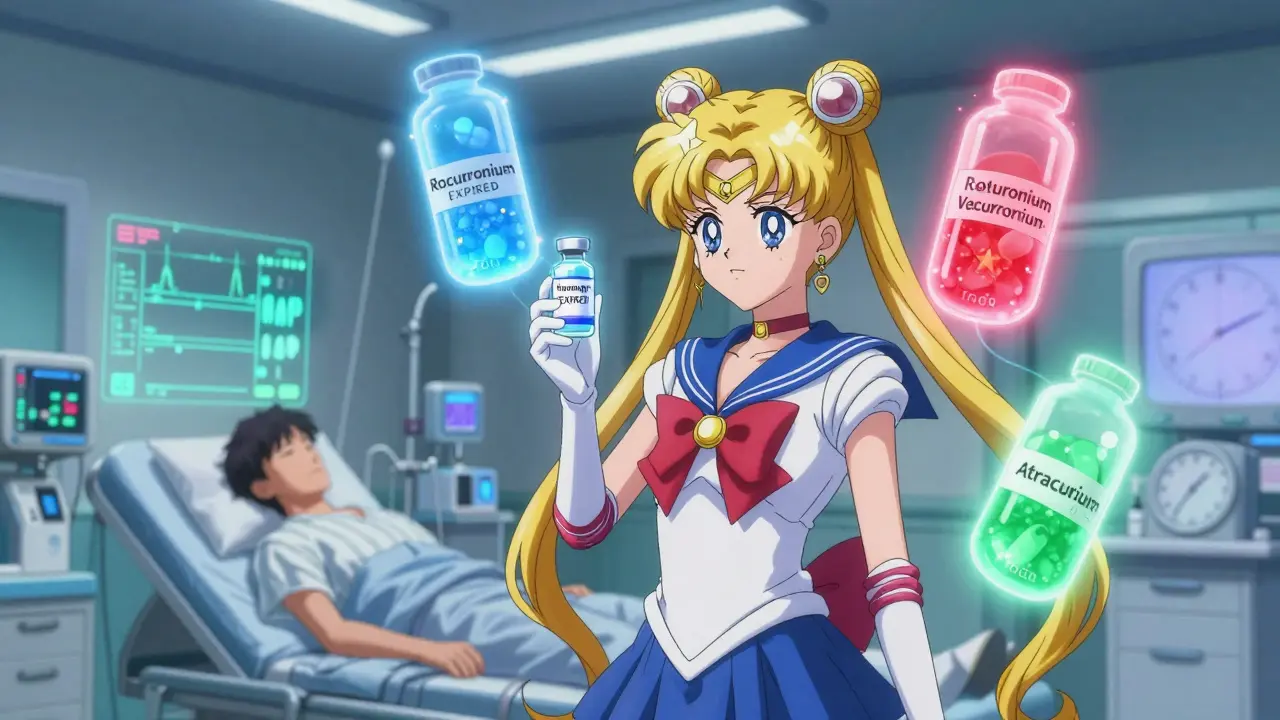
When a critical medication expires, it’s not just a paperwork issue-it’s a patient safety emergency. Imagine a ventilator-dependent patient in the ICU whose fentanyl infusion runs out. The vial is expired. The pharmacy has no more. The doctor needs a replacement now, but which one? Not all alternatives are equal. Giving the wrong substitute can cause withdrawal, respiratory depression, or even death. This isn’t hypothetical. It happens daily in hospitals across the U.S., especially when inventory systems fail or staff are stretched thin.
Why Expired Medications Are a Different Problem Than Shortages
Many people confuse expired medications with drug shortages. They’re related, but not the same. A shortage means the drug isn’t being manufactured or shipped. An expired medication means it was there-just too old to use safely. The FDA allows manufacturers to set expiration dates based on stability testing, and once that date passes, potency and safety aren’t guaranteed. Some drugs degrade into harmful compounds. Others lose effectiveness so quickly that a patient’s condition can crash within hours. In 2024, the ASHP Drug Shortages Resource Center listed 287 active shortages, with 42% involving critical care drugs like vasopressors, sedatives, and neuromuscular blockers. But behind every shortage, there are dozens of expired vials quietly sitting in hospital pharmacies, waiting to be thrown out. And when they are, the scramble begins.The ASHP Three-Tier Replacement Framework
The American Society of Health-System Pharmacists (ASHP) developed a proven, evidence-based system for prioritizing replacements. It’s not guesswork. It’s a tiered structure that ranks alternatives by clinical safety, effectiveness, and evidence. For example, if cisatracurium (a neuromuscular blocker) expires:- 1st line: Rocuronium - fast-acting, predictable, well-studied in ICU settings
- 2nd line: Vecuronium - slower onset, but stable hemodynamics
- 3rd line: Atracurium or pancuronium - higher risk of histamine release or tachycardia
Who Decides? The Role of the Critical Care Pharmacist
In high-performing hospitals, a critical care pharmacist leads the replacement decision. They don’t just check formularies-they assess the patient’s kidney function, liver metabolism, acid-base balance, and current sedation levels. A drug that works for one patient might kill another. A 2025 study from CU Anschutz tracked 10,000 ICU patients and found that when pharmacists led medication transitions, mortality dropped by 18.7% and ICU stays shortened by 2.3 days on average. That’s not a small win. That’s life or death. But here’s the problem: only 42% of community hospitals have dedicated critical care pharmacists. In those places, nurses or physicians are forced to make these calls with incomplete data. The result? A 2024 survey found that 32% of community hospitals reported at least one medication-related complication per quarter from expired drug replacements.
The Seven-Step Replacement Protocol
Every hospital should have a written, tested protocol. Here’s what it looks like in practice:- Validate the expiration - Confirm the lot number, expiration date, and quantity. Don’t assume. Check the barcode and inventory log.
- Assess remaining stock - How much is left? Is it enough for one dose or three days? This determines urgency.
- Identify affected patients - Who’s on this drug? Are they stable? Are they in the ICU? Are they on a ventilator? Prioritize based on risk.
- Apply the tiered alternatives - Use the ASHP guidelines. Don’t improvise. If cisatracurium is gone, go to rocuronium-not the first muscle relaxant you remember.
- Adjust dosing - Alternatives aren’t 1:1. Rocuronium may need a higher initial dose than cisatracurium. Hydromorphone isn’t the same as fentanyl in potency. Always cross-reference conversion tables.
- Update systems - Change electronic orders, barcodes, and pharmacy labels immediately. A mislabeled vial can kill someone later.
- Monitor and document - Track vital signs, sedation scores (like RASS), and adverse events for at least 24 hours after the switch. Write it down. Every change.
Technology That Prevents Expired Medications Before They Happen
The best replacement is the one you never need. That’s where smart inventory systems come in. Top hospitals use automated expiration alerts. These systems scan barcodes on every medication vial and flag anything with less than 30 days left. Some even auto-generate reorder requests. Institutions using these systems report 68% fewer expired medications. Even better: AI tools are now being tested. CU Anschutz’s pilot system analyzes 147 patient variables-age, weight, creatinine clearance, liver enzymes, current meds, and even genetic markers-to recommend the safest alternative in under 10 seconds. Early results show 94.7% agreement with expert pharmacists. These aren’t sci-fi tools. They’re available now. The global medication safety tech market is growing at 19.3% per year. The question isn’t whether to adopt them-it’s how fast you can implement them before someone gets hurt.What Happens When There’s No Protocol?
During the early days of the remdesivir shortage, hospitals used wildly different methods to distribute limited supplies: first-come-first-served, random lotteries, even prioritizing essential workers. None of these were based on medical need. The same chaos happens with expired drugs. In one community hospital, a nurse replaced expired morphine with hydromorphone but used the same dose. The patient went into respiratory arrest. They survived, but spent 11 extra days in the hospital. Without a protocol, decisions are made under stress, by tired staff, using memory instead of data. That’s how medication errors happen. The 2024 National Critical Care Survey found that 89% of academic hospitals had formal replacement protocols. Only 42% of community hospitals did. That gap isn’t just administrative. It’s deadly.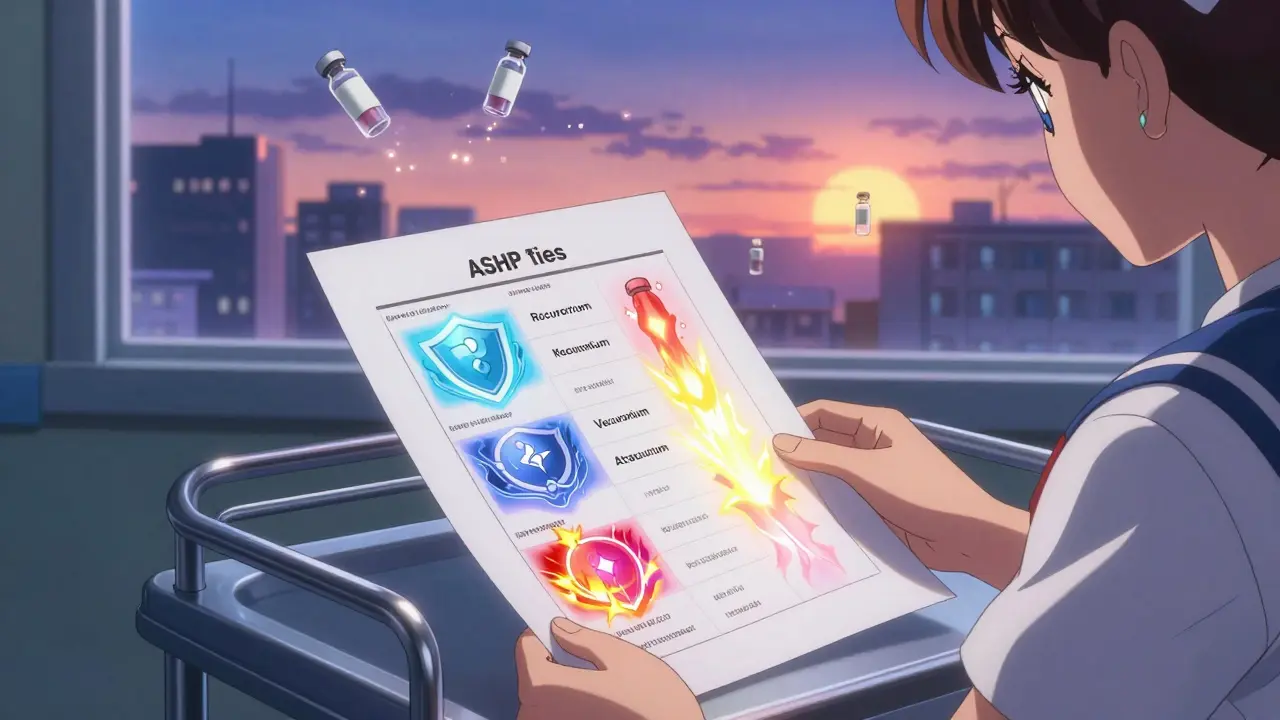
How to Build a Replacement Protocol (Even With Limited Resources)
You don’t need a $2 million system to start. Here’s how to begin:- Start with your top 5 critical drugs - Usually: fentanyl, midazolam, norepinephrine, cisatracurium, epinephrine.
- Use ASHP guidelines - Download their free tiered lists. They’re publicly available.
- Create a one-page cheat sheet - Print it. Tape it to every med cart and pharmacy counter.
- Train the team - Even if you don’t have a pharmacist, train nurses and physicians on the tier system. Teach them to pause before substituting.
- Use free tools - The FDA’s Drug Shortages Database and ASHP’s online resources are free. Use them.
What’s Changing in 2026
The FDA is drafting new rules to extend expiration dates for certain drugs based on real-world stability data. If approved, this could reduce waste by up to 22%. That’s huge. ASHP is also releasing updated guidelines in early 2026 that will treat expired medications as a distinct category from shortages-finally giving hospitals clear, separate protocols. And AI-driven substitution tools are moving from pilot programs to hospital-wide use. By 2027, 76% of healthcare systems plan to have unified replacement protocols in place. The future is better. But it won’t fix today’s mistakes. The time to act is now.Frequently Asked Questions
What should I do if a critical medication expires and no replacement is available?
If no approved alternative exists, immediately notify your pharmacy director and clinical leadership. Do not use an unapproved substitute. Contact your regional poison control center or ASHP’s Drug Shortages Resource Center for emergency guidance. In extreme cases, contact the manufacturer directly-some companies can expedite emergency shipments. Never administer an expired drug, even in small doses.
Can expired medications still be used in emergencies?
No. The FDA and ASHP strictly prohibit using expired medications, even in emergencies. Potency can drop below therapeutic levels, and degradation products can be toxic. For example, expired tetracycline can cause kidney damage. Even if the drug looks fine, it’s not safe. There is no legal or clinical justification for using expired critical medications.
How do I know which alternative is safest for a patient with kidney failure?
Drugs like fentanyl and morphine are metabolized by the liver, making them safer in kidney failure. Hydromorphone is preferred over morphine in renal impairment. Cisatracurium is ideal because it breaks down by plasma esterases-not kidneys. Avoid drugs like vecuronium or pancuronium in severe kidney disease-they accumulate and cause prolonged paralysis. Always check pharmacokinetic data before switching.
Why don’t hospitals just order more of these drugs to avoid expiration?
Many critical medications have short shelf lives and are expensive. Ordering large quantities increases waste and financial risk. Hospitals must balance safety with cost. Also, some drugs are produced by single manufacturers with limited capacity. Ordering more doesn’t solve the problem-it just delays it. The solution is better inventory management and proactive replacement planning, not bulk buying.
Are there any legal consequences for using an expired medication?
Yes. Using an expired medication can lead to malpractice claims, loss of licensure, and regulatory penalties from The Joint Commission. In 2024, medication errors related to expired drugs were cited in 68.4% of sentinel events. Hospitals have a legal duty to ensure drug safety. Ignoring expiration dates is considered negligence.

Kasey Summerer
January 16, 2026 AT 22:03john Mccoskey
January 17, 2026 AT 20:44Christina Bilotti
January 19, 2026 AT 10:31Cheryl Griffith
January 21, 2026 AT 06:10Nick Cole
January 22, 2026 AT 23:39swarnima singh
January 24, 2026 AT 16:34Jody Fahrenkrug
January 25, 2026 AT 04:02Ryan Hutchison
January 25, 2026 AT 17:21Chelsea Harton
January 27, 2026 AT 00:45Corey Chrisinger
January 27, 2026 AT 10:20Bianca Leonhardt
January 28, 2026 AT 09:18Travis Craw
January 29, 2026 AT 08:06Riya Katyal
January 31, 2026 AT 00:34john Mccoskey
January 31, 2026 AT 06:28