

Chronic pelvic pain is a silent crisis for millions of women, often dismissed as "just part of being a woman" or misdiagnosed as recurring infections. If you are dealing with constant discomfort, urinary urgency, or pain during intercourse, you might be navigating the confusing overlap between two distinct but related conditions: endometriosis and interstitial cystitis (IC). These conditions are frequently called the "evil twins" of pelvic pain because they share symptoms, often occur together, and can be incredibly difficult to distinguish without specialized care.
The frustration is real. Studies show that women wait an average of 7 to 10 years to get a correct diagnosis for endometriosis and 3 to 5 years for IC. During this time, many undergo unnecessary treatments, including multiple rounds of antibiotics for presumed urinary tract infections (UTIs), only to find no relief. Understanding the differences, the overlaps, and the diagnostic pathways is the first step toward getting the right treatment and reclaiming your quality of life.
Understanding the "Evil Twins": Endometriosis and IC
To tackle pelvic pain effectively, we need to look at what is actually happening inside the body. These are not just vague complaints; they are specific medical conditions with distinct biological mechanisms.
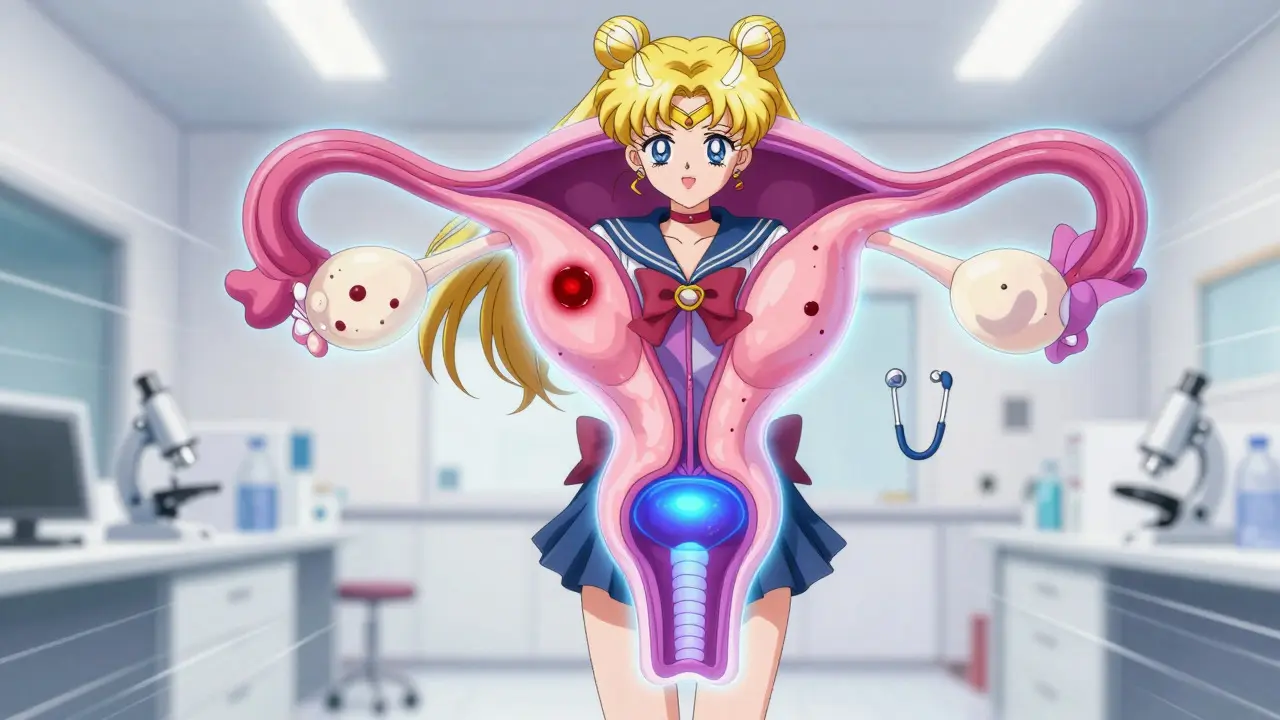
Endometriosis is a condition where tissue similar to the lining of the uterus grows outside the uterine cavity. This tissue responds to hormonal cycles, bleeding and inflaming surrounding organs like the ovaries, fallopian tubes, and even the bladder. It was first described by Dr. Thomas Cullen in 1896 and later defined by Dr. John Sampson. Globally, it affects approximately 10% of reproductive-aged women, totaling around 190 million people worldwide.
Interstitial Cystitis, also known as painful bladder syndrome (BPS), is a chronic condition causing bladder pressure, bladder pain, and sometimes pelvic pain. The pain ranges from mild discomfort to severe agony. Unlike a UTI, there is no infection present. The National Institute of Diabetes and Digestive and Kidney Diseases recognized it as a distinct entity in 1987. It affects an estimated 3-8% of women.
Why are they linked? Research suggests a strong comorbidity. A pivotal 2011 study published in the PMC database found that among 178 women with chronic pelvic pain, 75% had biopsy-proven endometriosis, 89% had IC, and a staggering 65% had both conditions simultaneously. Women with endometriosis are up to four times more likely to develop IC. This overlap means treating one condition while ignoring the other often leads to continued suffering.
Symptom Overlap and Key Differences
Distinguishing between these two conditions based on symptoms alone is challenging because they share so much common ground. However, there are subtle clues that can help guide your conversation with your healthcare provider.
| Symptom Category | Endometriosis Characteristics | Interstitial Cystitis (IC) Characteristics |
|---|---|---|
| Pain Pattern | Cyclical; worsens significantly during menstruation (92% of cases) | Constant baseline pain with flares; may worsen slightly before/during period but not strictly cyclical |
| Urinary Urgency/Frequency | Present in ~81% of cases, often secondary to inflammation | Primary symptom; urinating >7 times/day affects 68% of patients |
| Blood in Urine (Hematuria) | Occurs in 20-30% of cases involving bladder lesions | Rare (<5% of cases); if present, requires ruling out other causes |
| Painful Intercourse | Deep dyspareunia (pain deep inside) due to adhesions/lesions | Superficial or general pelvic pain, often worse when bladder is full |
| Response to Antibiotics | No improvement (not an infection) | No improvement (not an infection), though often misprescribed initially |
A critical differentiator is the nature of the pain relative to your menstrual cycle. With endometriosis, the pain typically peaks during your period. With IC, the pain is more constant, though it can flare up peri-menstrually. Another key sign is hematuria. While rare in pure IC, blood in the urine can indicate bladder endometriosis, which occurs in 1-12% of endometriosis cases.
The Diagnostic Challenge: Why It Takes So Long
One of the biggest hurdles women face is the lack of simple, non-invasive tests for either condition. This leads to long diagnostic delays and frequent misdiagnosis.
Diagnosing Endometriosis: The gold standard remains laparoscopic surgery with histological examination. Imaging like ultrasounds or MRIs can detect larger cysts (endometriomas) or deep infiltrating disease, but they often miss superficial lesions. Dr. Tamer Seckin, a leading expert in minimally invasive gynecologic surgery, emphasizes that laparoscopic deep excision is necessary for confirmation and effective treatment. In the United States, this procedure can cost between $5,000 and $15,000 and requires 2-4 weeks of recovery.
Diagnosing Interstitial Cystitis: IC is a diagnosis of exclusion. This means doctors must rule out every other possible cause of bladder pain, including UTIs, bladder cancer, kidney stones, and sexually transmitted infections. The process involves:
- Urinalysis and urine cultures to rule out infection.
- Cystoscopy (looking inside the bladder with a camera).
- Urodynamic testing to measure bladder capacity (IC patients often have reduced capacity, averaging 300-400 mL compared to the normal 400-600 mL).
- Potassium Sensitivity Test (PST), which has an 80% sensitivity rate but also a 20% false-negative rate.
The danger lies in the "diagnostic tunnel vision." Up to 80% of patients initially diagnosed with IC may actually have undiagnosed endometriosis affecting pelvic structures. As Dr. Robert Moldwin, Professor of Urology at Hofstra Northwell School of Medicine, noted, excluding endometriosis is crucial before confirming IC.
Treatment Approaches: Managing Both Conditions
Because these conditions often coexist, a multidisciplinary approach is usually required. Treating just the bladder or just the uterus rarely provides complete relief.
For Endometriosis:
- Hormonal Therapy: Birth control pills, progestins, or GnRH agonists can suppress ovulation and reduce lesion activity.
- Surgery: Laparoscopic excision is considered the most effective long-term solution, removing the diseased tissue rather than just burning it (ablation).
For Interstitial Cystitis:
- Dietary Changes: Avoiding acidic, spicy, or caffeinated foods that irritate the bladder.
- Medications: Pentosan polysulfate sodium (Elmiron) was FDA-approved for IC in 1996, though recent studies have highlighted potential retinal toxicity risks, requiring regular eye exams.
- Bladder Instillations: Medications placed directly into the bladder via catheter to soothe the lining.
- Physical Therapy: Pelvic floor physical therapy is essential, as 92% of patients with either condition suffer from pelvic floor dysfunction.
If you have both conditions, combining surgical excision of endometriosis with IC management strategies (like diet and physical therapy) offers the best chance for significant symptom improvement. A 2022 review showed that 63% of patients with dual diagnoses reported substantial relief after combined treatment.

Navigating Healthcare and Advocacy
Finding the right doctor is half the battle. Only 15% of U.S. OB/GYNs are trained in deep excision surgery for endometriosis, and there are only about 350 board-certified urogynecologists in the country. You may need to travel to specialized centers.
Insurance denials are common. Nearly 44% of patients report initial denial for cystoscopy or laparoscopy. To advocate for yourself:
- Keep a detailed voiding diary and pain log for at least 3-4 weeks before appointments.
- Ask specifically for referral to a specialist experienced in chronic pelvic pain or endometriosis excision.
- If denied coverage, appeal with documentation emphasizing the failure of previous treatments and the impact on daily function.
Support networks can also provide invaluable guidance. Organizations like the Endometriosis Foundation and the Interstitial Cystitis Network offer resources, support groups, and directories of specialists. Connecting with others who understand the "medical gaslighting"-where 76% of IC patients report being told their pain is psychological-can be empowering.
Future Directions and Hope
Research is moving toward better biomarkers and earlier detection. In February 2024, the NIH awarded $4.2 million to the University of Michigan for research on biomarkers that could differentiate endometriosis from IC without surgery. The goal is to move away from invasive diagnostics and toward blood or urine tests that provide clear answers.
Additionally, the International Pelvic Pain Society launched a dual-diagnosis protocol in 2023, mandating simultaneous gynecological and urological evaluation for chronic pelvic pain patients. Experts predict that by 2030, multidisciplinary pelvic pain centers will become the standard of care, potentially reducing diagnostic delays by 50%.
While the journey to diagnosis and relief can be long and frustrating, understanding the connection between endometriosis and interstitial cystitis is powerful. You are not imagining your pain, and you are not alone. By seeking specialized care and advocating for comprehensive evaluation, you can find a path to managing these conditions and improving your quality of life.
Can you have both endometriosis and interstitial cystitis?
Yes, it is very common. Studies show that up to 65% of women with chronic pelvic pain have both conditions. They are often referred to as "evil twins" due to their high rate of co-occurrence and overlapping symptoms.
How is endometriosis diagnosed differently from IC?
Endometriosis is definitively diagnosed through laparoscopic surgery with biopsy. Interstitial cystitis is a diagnosis of exclusion, meaning doctors must rule out all other causes of bladder pain, such as infections or cancer, often using cystoscopy and urodynamic testing.
What are the red flags for bladder endometriosis?
Red flags include blood in the urine (hematuria), especially if it coincides with your menstrual period, along with severe urinary urgency and frequency that worsens during menstruation.
Why do doctors often misdiagnose IC as recurrent UTIs?
The symptoms of IC (urgency, frequency, pain) mimic those of a UTI. Since UTIs are common and easy to test for, doctors may prescribe antibiotics repeatedly. However, urine cultures in IC patients are negative for bacteria, and antibiotics do not resolve the pain.
Is surgery the only cure for endometriosis?
Laparoscopic excision surgery is currently the most effective treatment for removing endometriosis lesions and providing long-term relief. However, hormonal therapies can manage symptoms for some patients, and a combination of approaches is often used.
