
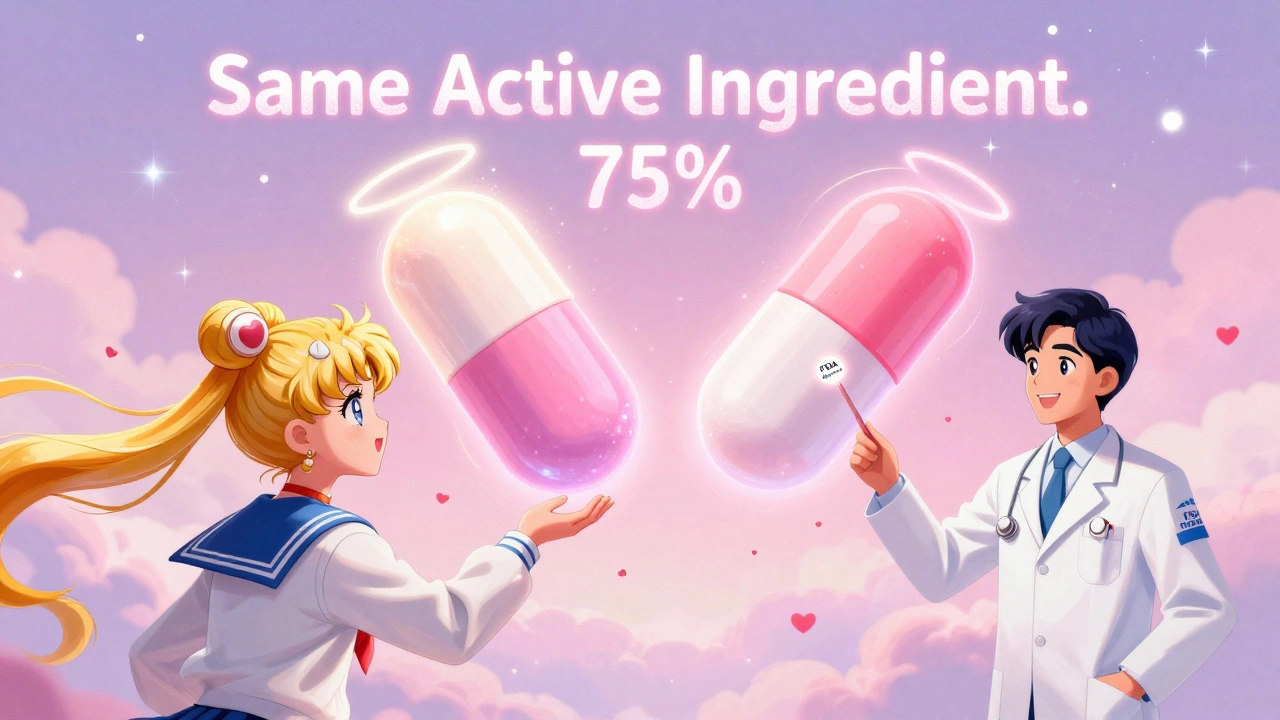
Most people don’t know the difference between a brand-name drug and its generic version-until they get the bill. Generics work the same way, cost up to 80% less, and are approved by the FDA. But misinformation spreads fast on social media. A 2025 survey found that 41% of patients who switched from a brand to a generic worried it was "less effective"-even though the science says otherwise.
Why Social Media Is the New Pharmacy Shelf
People don’t turn to brochures or doctor’s offices anymore when they have questions about their meds. They open Instagram, TikTok, or Facebook. In 2025, 68% of adults under 45 used social media to research medications before talking to their doctor. And most of that content? It’s not from pharmacies or clinics. It’s from influencers, patient groups, and random posts with bold claims like "This generic gave me panic attacks" or "Brand name is the only one that works." The problem isn’t that people are using social media. It’s that they’re not getting accurate, clear information. That’s where healthcare providers and pharmacies can step in-with real, simple, visual content that cuts through the noise.Which Platforms Actually Work for Patient Education?
Not every platform is built for explaining pills and dosages. Here’s what’s working in 2025:- Instagram: Best for visual explanations. Short Reels showing a pill bottle next to a generic version, with text overlay saying "Same active ingredient. Same FDA approval. 75% cheaper." Posts with this format get 3.2x more saves than text-only posts.
- TikTok: The go-to for Gen Z and younger adults. A 45-second video titled "Why my doctor switched me to generic metformin" got 2.1 million views in 3 weeks. The key? Real patients, no scripts, real questions.
- Facebook Groups: Where older adults and caregivers gather. Private groups run by pharmacies or clinics have seen 52% higher engagement than public pages. People ask, "Is this generic safe for my kidney condition?" and get answers from pharmacists within hours.
- YouTube: For deeper dives. A 7-minute explainer video on how generics are tested and approved has been watched over 890,000 times. Comments show people finally understanding bioequivalence.
One clinic in Seattle started posting 3x a week on Instagram and TikTok-simple graphics, real patient stories, and pharmacist Q&As. In 6 months, their generic prescription fill rate jumped from 48% to 71%. No ads. Just clear content.
What Kind of Content Actually Changes Minds?
It’s not about fancy animations or corporate logos. It’s about trust. Here’s what works:- Side-by-side comparisons: Show the brand-name pill and the generic side by side. Add text: "Same active ingredient. Same dosage. Same results. Different price tag."
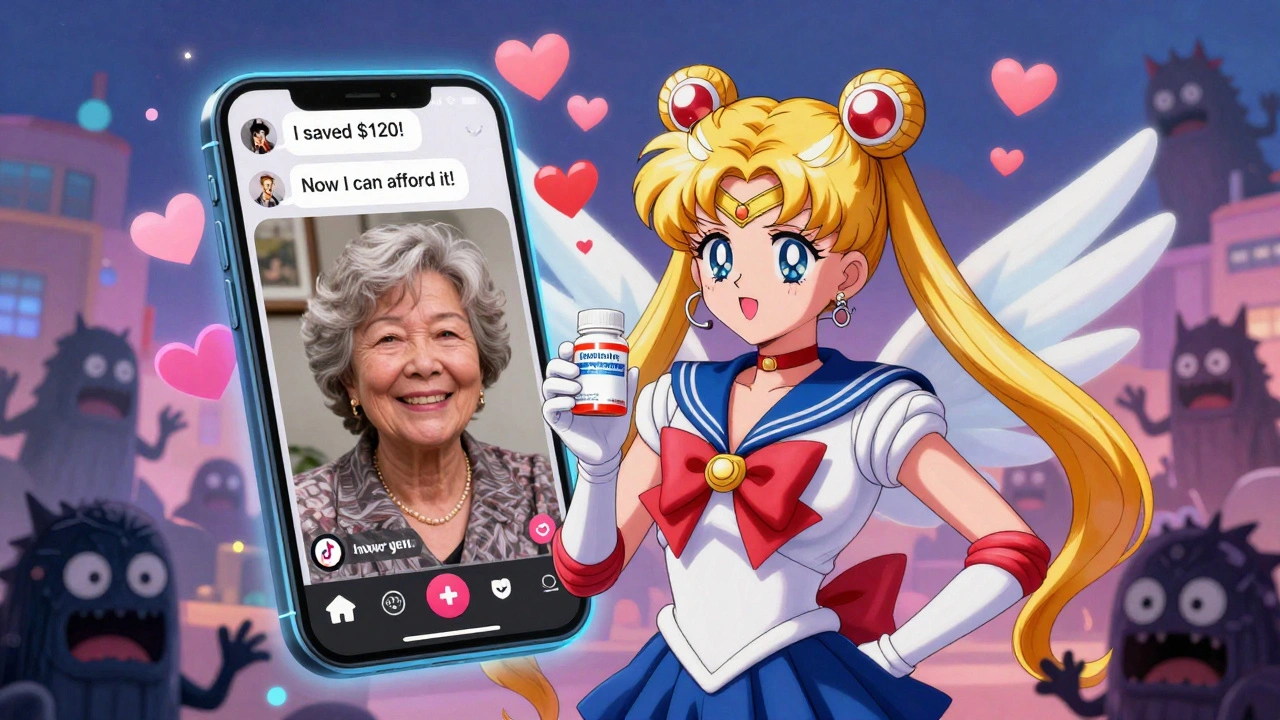
- Real patient videos: A 68-year-old woman says, "I was scared to switch. My doctor showed me the data. Now I save $120 a month."
- Myth-busting carousels: "Myth: Generics take longer to work. Fact: They reach the same blood levels in the same time."
- Pharmacist takeovers: Let the pharmacist post for a day. Answer questions live. No jargon. Just: "Yes, it’s safe. Here’s why."
A study from Johns Hopkins in October 2025 found that patients who watched a 60-second TikTok explaining generics were 57% more likely to fill their prescription than those who got a printed handout. The difference? Tone. Speed. Relatability.
How to Avoid Spreading Misinformation
Social media is a two-way street. If you post, you have to monitor. In 2025, 37% of healthcare accounts faced backlash for posting about generics-mostly because someone commented, "My cousin died after taking this generic!" and no one responded.Here’s how to handle it:
- Have a moderation plan. Assign someone to check comments daily.
- Respond fast to fear-based comments. Don’t delete. Correct. Say: "We’re sorry you’re worried. Here’s what the FDA says about this medication."
- Don’t engage with conspiracy theories. Just report and move on.
- Use TikTok’s new Educational Content Verification badge. It shows your content has been reviewed by a licensed pharmacist.
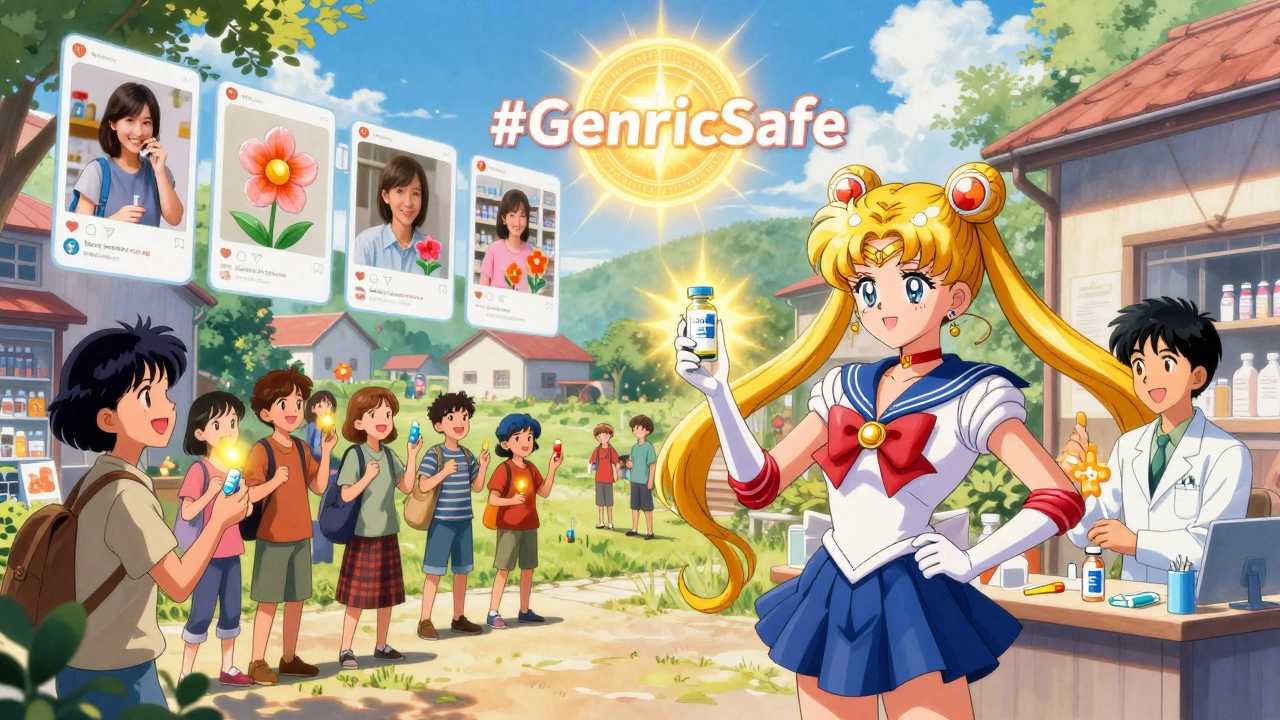
One pharmacy chain in Ohio started tagging all generic education posts with #GenericSafe. Within 4 months, that hashtag had over 200,000 impressions. People started using it to share their own positive experiences.
Training Your Team to Do This Right
You don’t need a marketing team. You need one person who understands both meds and social media.Start here:
- Choose 2 platforms. Don’t spread thin. Instagram and TikTok work best for most clinics.
- Train your staff on basic video editing. Use CapCut or Canva-no fancy software needed.
- Make a content calendar. Post 2-3 times a week. Consistency builds trust.
- Use real patient stories (with permission). People trust people, not logos.
- Track what works. Look at saves, shares, and comments-not just likes.
One rural clinic in Washington trained their pharmacy tech to run their Instagram. She posted a Reel about generic insulin. It got 89,000 views. The next week, 14 new patients asked for generics. She didn’t need a degree in digital marketing. She just needed to be real.
The Bigger Picture: Social Media as a Public Health Tool
Generic drugs save the U.S. healthcare system $350 billion a year. But if patients don’t use them, those savings vanish. Social media isn’t just about marketing. It’s about equity. People on fixed incomes, without insurance, or juggling multiple meds need to know they’re not being cheated when they get a cheaper pill.When patients understand generics, they’re more likely to:
- Take their meds as prescribed
- Stick with treatment plans
- Ask questions instead of stopping cold
- Trust their provider
That’s not just good for business. It’s good for health.
What’s Next?
By 2027, 73% of Gen Z will use Instagram or TikTok as their first stop for health info-before Google. That means if you’re not there, you’re not being heard.Platforms are getting smarter too. TikTok now flags unverified health claims. Instagram lets you tag a pharmacist in posts. YouTube is rolling out verified health channels. The tools are here. The audience is waiting.
You don’t need a big budget. You don’t need viral fame. You just need to show up-with truth, clarity, and care.
Are generic drugs really as safe as brand-name drugs?
Yes. The FDA requires generics to have the same active ingredient, strength, dosage form, and route of administration as the brand-name drug. They must also meet the same strict standards for purity, stability, and performance. In fact, 90% of generic drugs are manufactured in the same facilities as brand-name versions. The only differences are in inactive ingredients (like color or filler) and price.
Why do some people say generics don’t work for them?
Sometimes, it’s not the drug-it’s the change. Switching from a pill you’ve taken for years to a different shape, color, or size can feel unsettling. Some people confuse this discomfort with the drug not working. Rarely, a patient may have a sensitivity to an inactive ingredient in the generic, but this is uncommon. If someone feels worse after switching, they should talk to their doctor or pharmacist-not assume the generic is faulty.
Can social media replace doctor visits for medication advice?
No. Social media is a tool for education and reducing fear-not a substitute for clinical advice. It helps people ask better questions when they do see their provider. For example, someone who watches a video on generics might ask, "Can I switch to the generic version of my blood pressure med?" instead of stopping the medication altogether. Always consult a healthcare professional before making changes to your regimen.
How do I know if a social media post about generics is trustworthy?
Look for these signs: Is it posted by a licensed pharmacy, hospital, or health system? Does it cite the FDA or other official sources? Does it avoid extreme language like "never" or "always"? Does it show real people-not actors? Posts with the TikTok Educational Content Verification badge or links to FDA.gov are more reliable. If in doubt, check the FDA’s website directly.
Why aren’t more pharmacies using social media for patient education?
Many still see it as marketing, not education. Others worry about liability or don’t know where to start. But the biggest barrier is time. Training staff, creating content, and monitoring comments takes effort. Still, clinics that started small-posting once a week with simple graphics-saw engagement rise within 2 months. It’s not about going viral. It’s about being present where patients already are.
If you’re a pharmacist, doctor, or clinic owner, start today. Pick one platform. Make one video. Answer one question. You don’t need perfection. You just need honesty. And in a world full of noise, that’s the most powerful medicine of all.

joanne humphreys
December 5, 2025 AT 22:44I used to be scared to switch to generics too. My doctor showed me the FDA equivalency charts and it changed everything. I’m on a fixed income and saving $90 a month on my blood pressure med means I can actually afford my groceries. No hype. Just facts. And yes, it works the same.
Mansi Bansal
December 7, 2025 AT 02:09It is imperative to note, with the utmost gravity, that the dissemination of unverified pharmaceutical information via social media constitutes a grave public health hazard. The regulatory frameworks governing drug efficacy are not merely bureaucratic formalities-they are the bedrock of pharmacological integrity. To equate generic formulations with brand-name counterparts without rigorous, peer-reviewed, longitudinal clinical validation is to engage in a perilous form of medical populism.
Clare Fox
December 7, 2025 AT 23:38honestly i think people freak out bc the generic pill looks different. like my old one was blue and round, the new one is white and oval. i swear i felt weird for a week but it was just my brain being weird. same chem, same dose. my body didn’t care. just my eyes and my fear.
Akash Takyar
December 8, 2025 AT 23:19Excellent insights. Consistency, clarity, and compassion are the cornerstones of effective health communication. Social media, when leveraged responsibly, can bridge the gap between clinical knowledge and public understanding. I commend the clinics adopting this approach-small, steady efforts yield profound outcomes.
Arjun Deva
December 9, 2025 AT 07:55They say generics are the same... but what if the FDA is in bed with Big Pharma? I read a guy on Reddit who said the inactive ingredients in generics are just filler... but what if that filler is actually a slow-release poison? They’re testing on us. And the pharmacists? They’re paid to shut up.
Annie Gardiner
December 9, 2025 AT 10:02So let me get this straight-you’re telling me a pill that costs 80% less is literally identical? Then why does the brand-name one come in a fancy bottle with a logo? Sounds like marketing. I’m not buying it.
Kumar Shubhranshu
December 9, 2025 AT 12:01My cousin took a generic statin. Died in his sleep. Coincidence? Maybe. But I’m not risking it.
Jackie Petersen
December 10, 2025 AT 03:03USA-made generics are fine. But the ones from India? No thanks. I’ve seen the factory videos. I’m not swallowing what they make in a shed with no gloves.