
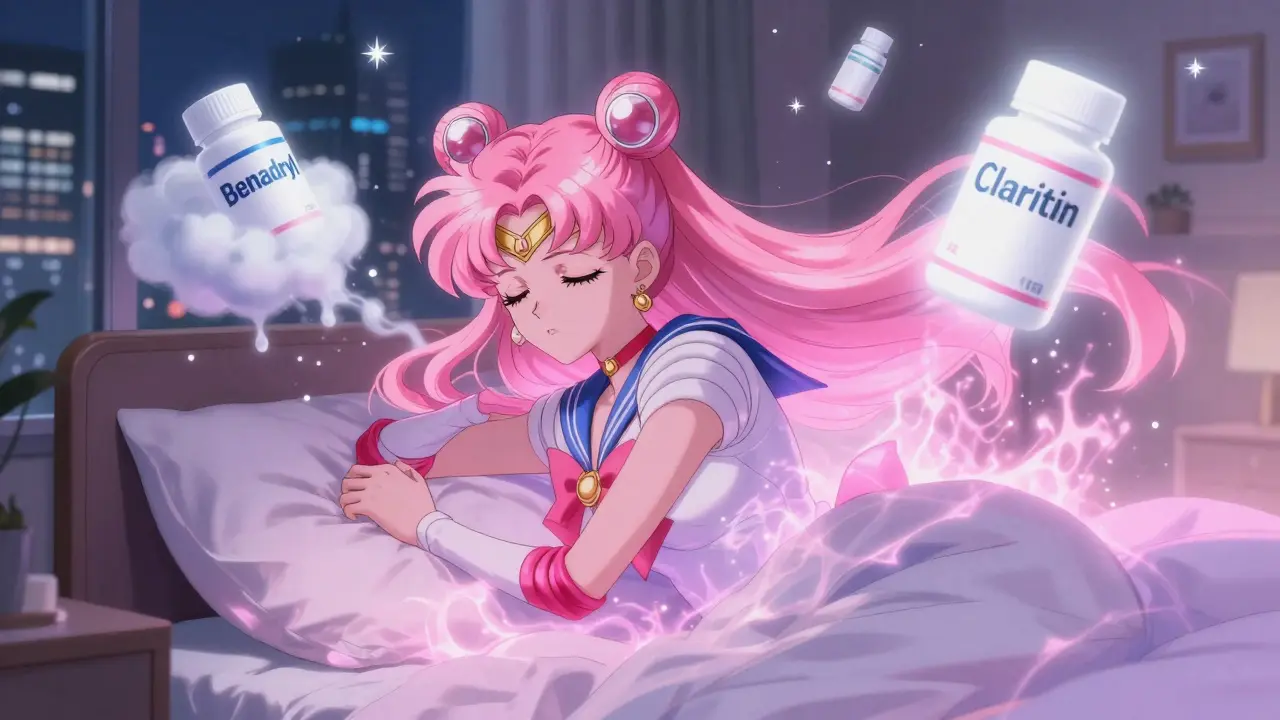
Medication Drowsiness Risk Calculator
Medication Drowsiness Assessment
This tool helps you understand your risk of medication-induced drowsiness based on your medications and lifestyle factors.
Medication Information
Additional Factors
Your Drowsiness Risk Assessment
Risk Level
Recommendations
Why This Matters
Ever take a pill and feel like you’ve been hit by a truck an hour later? You’re not alone. Medication-induced drowsiness is one of the most common side effects people experience - and many don’t even realize it’s the medicine causing it. In fact, about 15-20% of adults in the U.S. report feeling overly sleepy because of their medications. That’s not just inconvenient - it can be dangerous. Falling asleep at the wheel, stumbling around the house, or struggling to stay awake at work? These aren’t just annoyances. They’re real risks tied directly to what’s in your medicine cabinet.
What’s Really Causing Your Sleepiness?
It’s not just one drug. A whole group of medications can slow down your brain. This is called central nervous system (CNS) depression. When these drugs hit your system, they mess with the signals that keep you alert. The result? You feel tired, foggy, or like you’re moving through syrup. Here are the biggest culprits:- Antihistamines: Found in allergy meds like Benadryl, Dimetapp, and even some sleep aids. Up to 70% of users report drowsiness. First-gen versions like diphenhydramine and hydroxyzine are especially sleepy-making.
- Tricyclic antidepressants: Drugs like amitriptyline and doxepin help with depression and chronic pain - but they also turn off your energy. Around 30-40% of people on these meds feel constantly drained.
- Benzodiazepines: Xanax, Valium, Klonopin - used for anxiety and insomnia. They work fast, but they also make you feel like you’re floating. Drowsiness can last hours, sometimes days.
- Beta-blockers: Used for high blood pressure and heart issues. Medications like metoprolol and propranolol slow your heart rate, and that can leave you dragging by midday. About 10-15% of users feel this way.
- Opioids: Oxycodone, hydrocodone, even tramadol. Pain relief comes with a heavy price: deep fatigue. And when mixed with benzodiazepines? The CDC says this combo caused over 16,700 overdose deaths in 2021 alone.
- Muscle relaxants, anticonvulsants, and Parkinson’s meds: Cyclobenzaprine, gabapentin, carbidopa-levodopa - all carry drowsiness warnings. Even some antibiotics and antivirals can do it.
Here’s the thing: most people don’t connect the dots. A 2023 study found that 78% of patients wait an average of 4.2 months before realizing their sleepiness is drug-related. By then, they’ve missed work, had near-misses driving, or fallen because they couldn’t stay upright.
Why Some People Feel It More Than Others
Not everyone reacts the same. Age matters. Older adults are far more sensitive. The American Geriatrics Society says 34% of medications commonly prescribed to seniors cause drowsiness - and that’s a big reason why falls are so common in this group. Your liver and kidneys don’t clear drugs as fast as they used to, so the effects last longer. Genetics play a role too. Some people’s bodies break down certain drugs slower. That’s why two people on the same dose can have totally different reactions. Companies like GeneSight now offer genetic tests that can predict if you’re likely to have strong side effects from antidepressants or anti-anxiety meds. Early data shows these tests cut adverse events by 35%.And then there’s what you mix with your meds. Alcohol? Big no. Even one drink can double the drowsiness. Dehydration? It makes things worse. And caffeine? It’s a double-edged sword. A cup of coffee might help you stay awake - but if you drink it after noon, it can wreck your sleep, making the next day’s fatigue even worse.

Real Stories: How People Fixed It
You don’t have to just live with it. Many people found relief - not by quitting their meds, but by adjusting them. One Reddit user, "SleepyInSeattle," took 10mg of amitriptyline for nerve pain. She slept 14 hours a day. Her doctor switched her to desvenlafaxine - a different antidepressant that doesn’t cause as much drowsiness. Within two weeks, she was back to normal. Another user, "PharmaWarrior," switched from propranolol to nebivolol for high blood pressure. The old drug made him crash every afternoon. The new one? No crashes. Same blood pressure control. No side effects. These aren’t rare cases. A 2023 survey of over 5,000 people found that 68% had severe drowsiness from first-gen antihistamines. But when they switched to second-gen options like Claritin or Zyrtec? Over 78% of allergy sufferers now use these non-sedating versions. The market shifted because people demanded it.How to Manage It - Without Stopping Your Meds
The worst thing you can do is quit cold turkey. Stopping benzodiazepines or antidepressants suddenly can cause seizures, anxiety spikes, or even serotonin syndrome. Talk to your doctor first. Here’s what actually works:- Take meds at night: If your drug causes drowsiness, take it before bed. Studies show this simple move reduces daytime sleepiness by 50-70% in 82% of people who try it. Your body still gets the benefit - you just avoid the crash during the day.
- Get sunlight and move: A 20-30 minute walk in the morning light helps reset your body clock. Combine that with good sleep hygiene (7-8 hours, no screens before bed), and fatigue scores improve by 30-40%.
- Check for drug combos: Are you on an opioid and a benzodiazepine? That’s a red flag. The FDA requires black box warnings on these because they can stop your breathing. Ask your doctor if you can switch one out.
- Stay hydrated: Dehydration makes drowsiness worse. Drink water all day - not just when you’re thirsty.
- Try alternatives: For allergies, use loratadine (Claritin) or cetirizine (Zyrtec). For sleep, try melatonin instead of diphenhydramine. For anxiety, SSRIs like sertraline often cause less fatigue than benzodiazepines.

What’s New in 2026
The FDA approved solriamfetol (Sunosi) in 2023 for sleep disorders like narcolepsy. Now, doctors are using it off-label for people with medication-induced drowsiness who still feel tired despite all the adjustments. It doesn’t work for everyone - but for some, it’s a game-changer. AI-powered apps are also starting to help. They track what you’re taking, when, and how you feel. Some can warn you if you’re mixing risky combos or if your drowsiness spikes after a dose change. Early data suggests they could cut incidents by 25% by 2027. But here’s the truth: the most effective tool is still education. The CDC found that when patients got clear, personalized counseling about side effects, emergency room visits for drowsiness-related accidents dropped by 40%.When to Call Your Doctor
You don’t need to panic. But if any of these sound like you, it’s time to talk:- You’re falling asleep while driving or operating machinery
- Your drowsiness is getting worse, not better, after 2-4 weeks
- You’re taking two or more CNS depressants (painkillers + anxiety meds + sleep aids)
- You’ve tried timing changes and lifestyle tweaks - and nothing helps
- You feel dizzy, confused, or have trouble speaking
These aren’t normal. They’re warning signs. Your doctor might adjust the dose, switch the drug, or add a non-sedating alternative. Don’t wait until you’re in a hospital because you couldn’t stay awake.
Can I just stop taking a medication that makes me sleepy?
No. Stopping certain medications suddenly - especially benzodiazepines, antidepressants, or opioids - can cause serious withdrawal symptoms, including seizures, panic attacks, or even life-threatening reactions. Always talk to your doctor before making any changes.
Why do some pills make me sleepy and others don’t?
It depends on how the drug interacts with your brain. Some medications, like first-gen antihistamines, directly block histamine receptors that keep you awake. Others, like tricyclic antidepressants, affect serotonin and norepinephrine in ways that slow your nervous system. Newer versions are designed to avoid these effects - that’s why Claritin doesn’t make you sleepy but Benadryl does.
Is caffeine a good way to fight medication drowsiness?
It can help short-term - but it often backfires. Caffeine might keep you awake now, but if you drink it after noon, it can ruin your sleep at night. Poor sleep = more drowsiness the next day. It’s a cycle. Better to fix the root cause: when and how you take your meds.
Do all allergy meds cause drowsiness?
No. First-generation antihistamines like diphenhydramine (Benadryl) do. But second-generation ones like loratadine (Claritin), cetirizine (Zyrtec), and fexofenadine (Allegra) are designed to not cross into the brain - so they don’t cause sleepiness. Switching to one of these can make a huge difference.
Can drowsiness from meds get better over time?
Sometimes, yes. For many people, the body adjusts in 2-4 weeks. But for some drugs - like tricyclic antidepressants - the drowsiness doesn’t fade. If you’re still tired after a month, don’t assume it’s normal. Talk to your doctor about alternatives.

Sophia Rafiq
February 26, 2026 AT 16:59Sumit Mohan Saxena
February 27, 2026 AT 22:43Brandon Vasquez
March 1, 2026 AT 17:47Noah Cline
March 1, 2026 AT 21:50Byron Duvall
March 3, 2026 AT 12:34Lisa Fremder
March 4, 2026 AT 19:12Gigi Valdez
March 5, 2026 AT 15:04bill cook
March 5, 2026 AT 18:23Vikas Meshram
March 6, 2026 AT 14:16Katherine Farmer
March 8, 2026 AT 07:38Sneha Mahapatra
March 9, 2026 AT 13:19Miranda Anderson
March 10, 2026 AT 02:07Justin Ransburg
March 11, 2026 AT 03:44Ben Estella
March 12, 2026 AT 04:57Jimmy Quilty
March 12, 2026 AT 23:20