
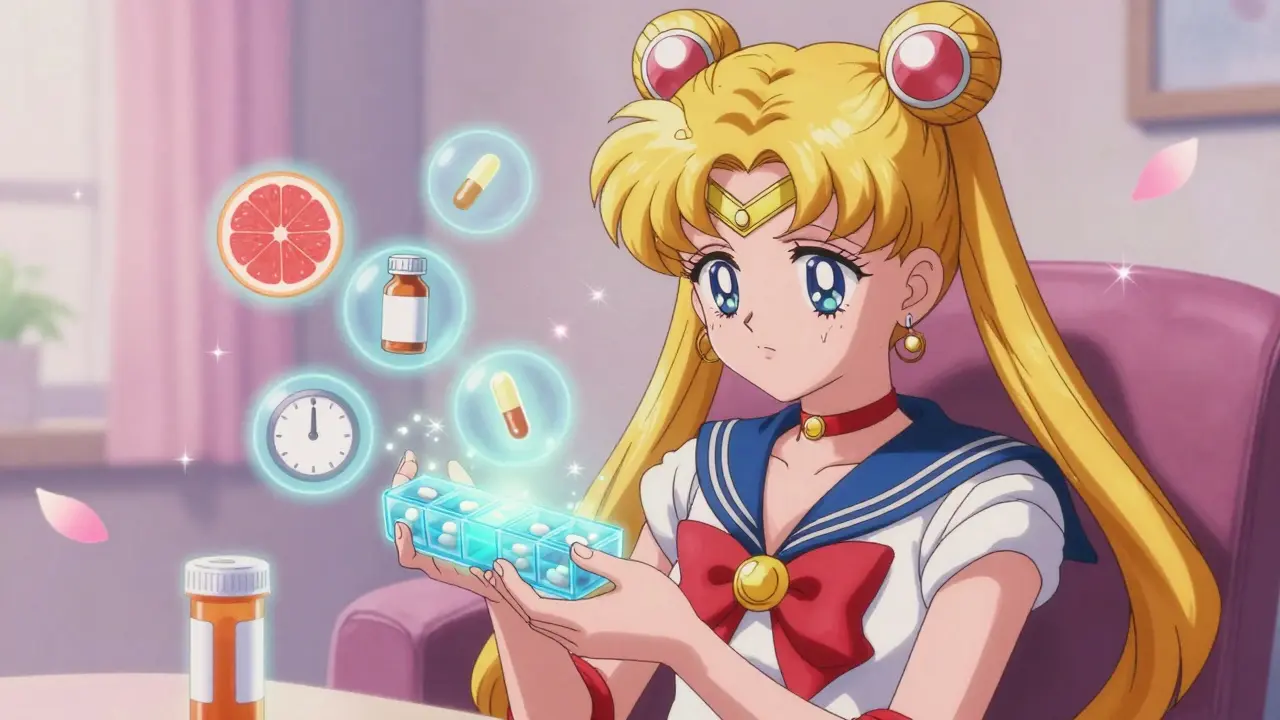
Oral chemotherapy is changing how cancer is treated. Instead of sitting in a clinic for hours to get IV drugs, patients now swallow pills or liquids at home. It sounds simpler, even more comfortable. But this convenience comes with hidden risks - and many people don’t realize how easily things can go wrong. The truth? oral chemotherapy isn’t just a substitute for IV treatment. It’s a different kind of battle - one that puts the patient in charge of their own safety, timing, and dosing. And if you’re not prepared, it can be dangerous.
How Oral Chemotherapy Works
Oral chemotherapy drugs work the same way as IV ones: they kill fast-growing cancer cells. But the drugs themselves are different. Some, like alkylating agents (cyclophosphamide, mechlorethamine), damage DNA directly. Others, like antimetabolites (capecitabine), trick cancer cells into using fake building blocks so they can’t multiply. Targeted drugs like imatinib or dasatinib go even further - they block specific proteins cancer cells need to survive.
Each class has its own profile. Alkylating agents are older and hit cells hard, but they also hurt healthy tissue. That’s why nausea, hair loss, and low blood counts are common. Newer drugs like capecitabine, a pill version of 5-FU, cause hand-foot syndrome - red, painful, peeling skin on palms and soles. Targeted drugs might cause high blood pressure or severe rashes instead. The molecular weight, half-life, and how well your body absorbs each drug vary widely. For example, capecitabine is absorbed 90% of the time, while etoposide barely makes it past 10%.
Why Adherence Is a Bigger Problem Than You Think
When you get chemo at the hospital, a nurse gives you the right dose at the right time. At home? It’s all on you. And studies show only 55% to 75% of patients take their pills exactly as prescribed. That means 1 in 4 to nearly half of people are missing doses - not because they’re careless, but because the system isn’t built to support them.
Take capecitabine. It’s taken twice a day for 14 days, then stopped for 7 days. Miss one dose? Skip two? The whole cycle gets thrown off. Some drugs, like nilotinib, must be taken on an empty stomach - no food for two hours before and after. Eat a snack? Your drug levels drop. Take it with antacids? Absorption falls by 30-50%. Even something as simple as drinking grapefruit juice can interfere with how your liver processes the drug.
Complex schedules, side effects, and lack of clear instructions are the top reasons people fall behind. A 2022 study found that patients who got structured support - written instructions, pill organizers, and follow-up calls on days 3, 7, and 14 - improved adherence from 58% to 82%. That’s not a small jump. That’s the difference between treatment working and treatment failing.
Safety Risks No One Talks About
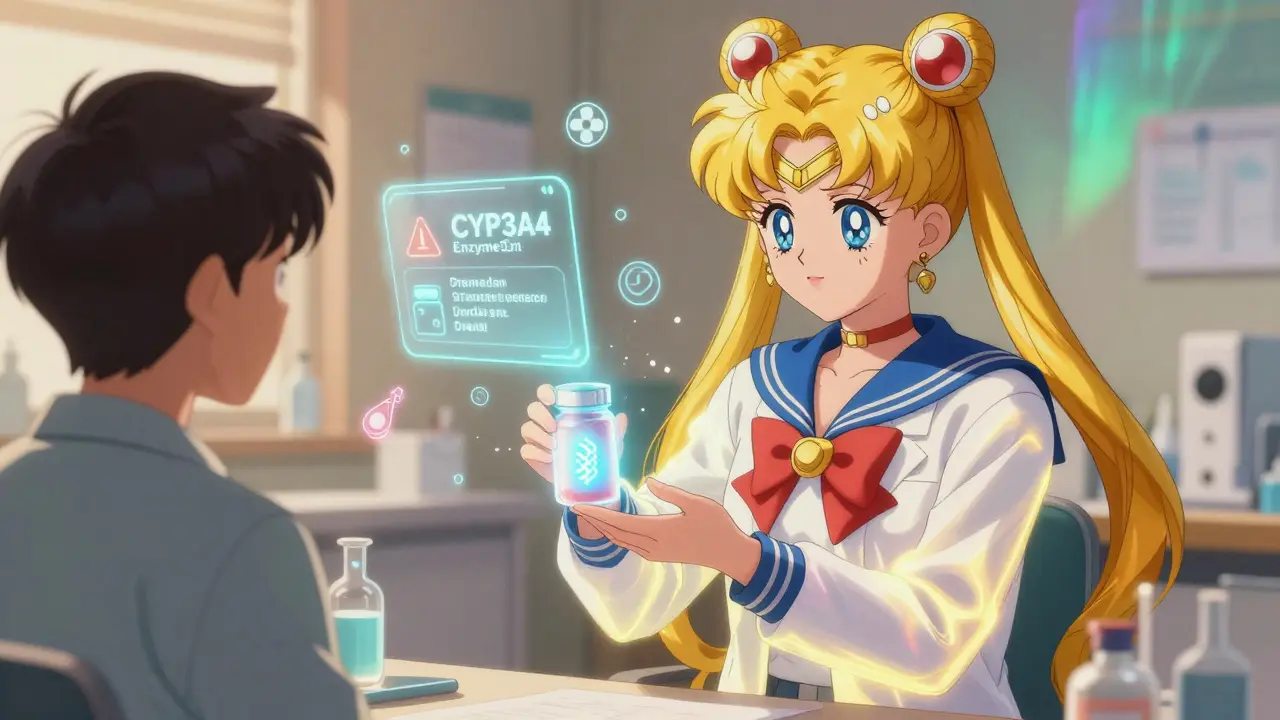
Most people think side effects are the biggest danger. But the real threat? Drug interactions and improper storage.
Oral chemo drugs are processed by enzymes in your liver - especially CYP3A4. If you take a common antibiotic like rifampin, it can slash your drug levels by 80%. That means your cancer keeps growing. On the flip side, ketoconazole - used for fungal infections - can boost your drug levels by over 300%. That can cause toxic buildup and organ damage.
Even over-the-counter meds matter. Antacids, proton pump inhibitors (like omeprazole), and certain heartburn pills interfere with absorption. The FDA requires clear labeling for this, but patients rarely read them. One patient taking capecitabine with daily omeprazole for acid reflux ended up with a treatment delay because her drug levels were too low.
Storage is another silent risk. Most oral chemo pills need to be kept at room temperature - between 20°C and 25°C. Leave them in a hot car, or in a bathroom with steam? The drug can break down. Some require refrigeration. If you don’t know which, you’re risking ineffective treatment.
And disposal? Never flush pills down the toilet. The FDA requires special disposal bags for 98% of oral chemo drugs. These bags neutralize the chemicals so they don’t contaminate water supplies. Yet most patients don’t know this exists.
Common Side Effects - And What to Do
Side effects vary by drug, but some patterns are clear:
- Alkylating agents (cyclophosphamide): Low blood counts (65% of patients), nausea (50-75%), hair loss (60-90%).
- Antimetabolites (capecitabine): Hand-foot syndrome (53% at mild to moderate levels), diarrhea (45%), mouth sores (30%).
- Targeted drugs (dasatinib, lenalidomide): Severe low blood counts (62-78% in first 6 weeks), fatigue, fluid retention.
- VEGF inhibitors (sunitinib, pazopanib): High blood pressure (25-35% of patients).
- EGFR inhibitors (erlotinib, afatinib): Skin rash (75-90%), dry skin, cracked lips.
Liver damage is a quiet danger. About 15-25% of patients develop elevated liver enzymes. That’s why baseline and monthly blood tests are mandatory. Kidney function, too - many oral drugs are cleared through the kidneys. If you’re dehydrated or on diuretics, your risk goes up.
Here’s what works: Don’t wait until you’re miserable to call your doctor. If you have even mild nausea, diarrhea, or skin changes, report it. Early intervention can prevent hospitalization. For hand-foot syndrome, keeping feet cool and moisturized helps. For nausea, small, frequent meals and ginger tea often do more than strong anti-nausea pills. For high blood pressure, daily monitoring at home is key.
What Good Care Looks Like
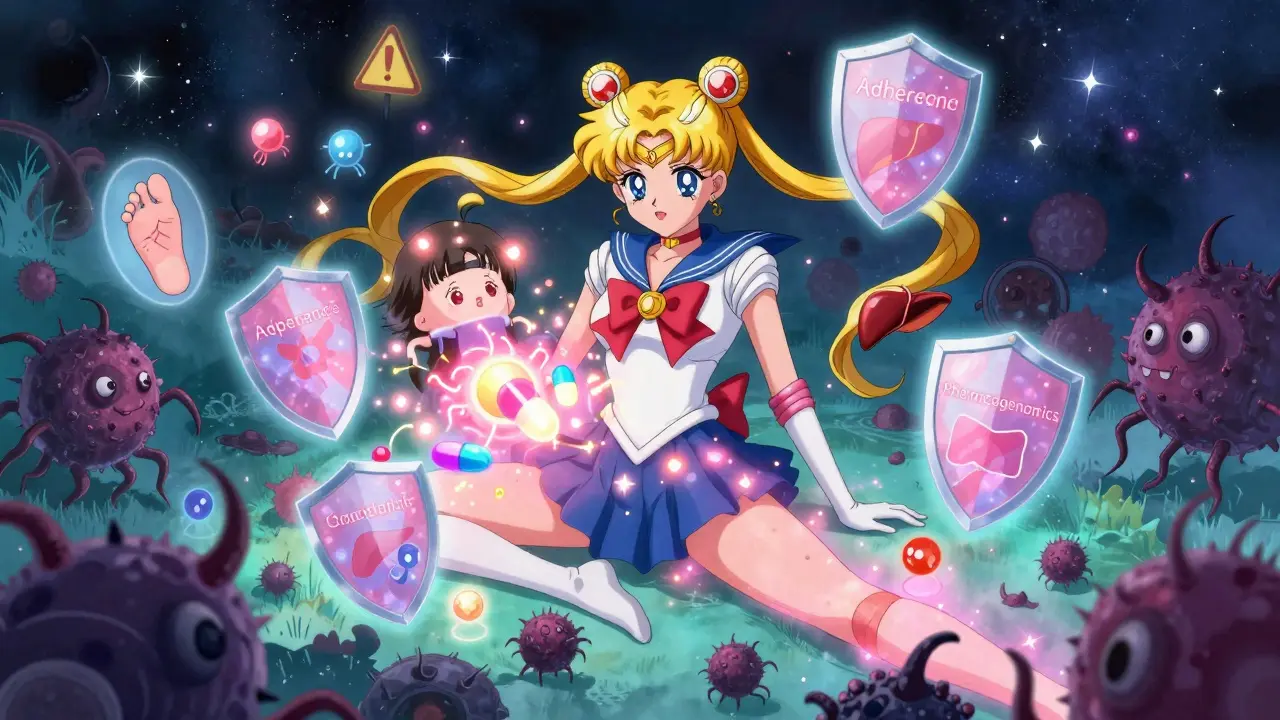
The National Comprehensive Cancer Network now requires all accredited cancer centers to have a formal oral chemotherapy program. That means more than just handing you a prescription.
Good programs include:
- A 45-minute education session with a pharmacist or nurse - not a 5-minute chat.
- Written instructions with pictures - not just a PDF.
- A pill organizer labeled with days and times.
- Follow-up calls on days 3, 7, and 14 of each cycle.
- Access to a 24/7 hotline for side effects or dosing questions.
- Pharmacy refill tracking to catch missed doses early.
Some centers now use smart pill bottles with Bluetooth sensors. These track when the bottle is opened and send alerts if a dose is missed. In trials, adherence jumped to 92%. Others use ingestible sensors - tiny chips in pills that signal when they’ve been taken. These aren’t sci-fi anymore. They’re part of standard care in top cancer centers.
And don’t overlook pharmacogenomics. Testing for DPYD gene variants before starting fluoropyrimidines like capecitabine cuts severe toxicity by 72%. It’s a simple blood test. Yet many providers still don’t order it.
What You Need to Do
If you’re on oral chemotherapy, here’s your checklist:
- Know your drug’s name, dose, schedule, and why you’re taking it.
- Store it correctly - check the label. Keep it away from heat, moisture, and kids.
- Never skip a dose - even if you feel fine. Missing doses lets cancer grow.
- Take it exactly as directed - with or without food, at specific times.
- Keep a list of all medications - including vitamins, supplements, and OTC drugs.
- Call your care team at the first sign of side effects. Don’t wait.
- Use a pill organizer. Set alarms on your phone.
- Ask for a written care plan. If they don’t give you one, ask why.
Oral chemotherapy gives you freedom. But freedom without structure is risky. The best outcomes happen when patients are supported - not just handed a bottle and told to figure it out.
Can I take oral chemotherapy with other medications?
Not without checking first. Many oral chemo drugs interact with common medications like antibiotics, antacids, heartburn pills, and even some herbal supplements. For example, rifampin can reduce the effectiveness of dasatinib by 80%, while ketoconazole can increase lapatinib levels by over 300%. Always give your oncology team a full list of everything you take - including over-the-counter drugs and vitamins.
What happens if I miss a dose of oral chemotherapy?
Don’t double up. Call your care team immediately. Some drugs allow you to skip the missed dose and continue the next one. Others require a specific catch-up plan. Taking too much can cause serious toxicity. Missing doses lets cancer cells survive and become resistant. Your team needs to know so they can adjust your plan - not just assume you’re non-adherent.
Do I need to avoid certain foods with oral chemo?
Yes. Grapefruit and Seville oranges block enzymes that break down many oral chemo drugs, raising their levels dangerously. Foods high in vitamin K (like kale, spinach) can interfere with blood thinners sometimes used alongside chemo. Some drugs, like nilotinib, require you to fast for two hours before and after taking them. Always ask your pharmacist about dietary restrictions specific to your drug.
How do I safely dispose of unused oral chemotherapy pills?
Never flush them or throw them in the trash. The FDA requires special disposal bags for 98% of oral chemotherapy drugs. These bags contain chemicals that neutralize the active ingredients. Ask your pharmacy for these bags - they’re often provided free. If you can’t get one, contact your cancer center. They’ll guide you on safe disposal.
Is oral chemotherapy less effective than IV chemo?
No - when taken correctly, oral chemotherapy is just as effective as IV. Studies show equivalent survival rates for cancers like breast, colon, and leukemia when adherence is high. The problem isn’t the drug’s power - it’s whether the patient takes it right. Poor adherence is the reason some people think oral chemo doesn’t work. It’s not the drug. It’s the system.
What should I do if I experience side effects at home?
Don’t wait. Contact your oncology team the same day. Mild nausea, diarrhea, or skin changes can escalate quickly. Many centers offer 24/7 nursing lines for this exact reason. Keep a symptom log - note when it started, how bad it is, and what you’ve tried. This helps them decide if you need to adjust your dose, add a medication, or come in for testing. Early action prevents hospital visits.

Jinesh Jain
March 12, 2026 AT 22:12Oral chemo is a double-edged sword. On one hand, you get to sleep in your own bed. On the other, you’re suddenly responsible for a life-saving drug with zero margin for error. I’ve seen people skip doses because they ‘felt fine’-and then the cancer comes back harder. It’s not about willpower. It’s about systems.
Emma Deasy
March 14, 2026 AT 08:06Let me just say-this is one of the most terrifyingly comprehensive overviews of oral chemotherapy I’ve ever read. The fact that grapefruit juice can sabotage treatment? The fact that a missed dose can lead to resistance? The fact that we’re trusting patients with drugs that can kill them if they breathe wrong? This isn’t healthcare. This is high-stakes survival chess-and most patients are playing blindfolded.
Rosemary Chude-Sokei
March 14, 2026 AT 08:27I appreciate the depth of this piece. As someone who works in oncology support, I can confirm that structured adherence programs-like pill organizers, daily check-ins, and 24/7 access to pharmacists-have transformed outcomes. The real tragedy isn’t the drugs. It’s that we still treat oral chemo like an afterthought instead of the complex, high-risk therapy it is.
Noluthando Devour Mamabolo
March 15, 2026 AT 04:27From a pharmacokinetic standpoint, the CYP3A4 interactions are non-trivial. When patients co-administer PPIs like omeprazole with capecitabine, bioavailability drops precipitously due to gastric pH modulation. Add to that variable intestinal absorption kinetics-especially in patients with comorbid GI pathologies-and you’re looking at a therapeutic window that’s narrower than a high-wire act. We need mandatory pharmacogenomic screening before initiation. Period.
Leah Dobbin
March 16, 2026 AT 21:23Of course they don’t tell you about the disposal bags. Why? Because the pharmaceutical industry doesn’t want you to know how toxic these drugs really are. They want you to flush them, contaminate the water, and blame the environment. It’s all a cover-up. And don’t get me started on the smart pill bottles-those are tracking devices. They’re not helping you. They’re monitoring you.
Ali Hughey
March 18, 2026 AT 15:00Smart bottles? Ingestible sensors? You’re kidding me. This isn’t medicine-it’s surveillance capitalism disguised as care. They’re not trying to save lives. They’re trying to collect data. Who owns that data? Who’s selling it? And what happens when your ‘adherence score’ gets flagged as ‘low’? Do they cut your treatment? Deny you insurance? I’ve seen what happens when corporations get involved in chemo. It’s not pretty.
Alex MC
March 19, 2026 AT 08:43Thank you for writing this. I’ve been on oral chemo for 18 months. The pill organizer and daily alarm saved me. My nurse called me on day 3 of my first cycle-I thought it was a mistake. Turns out, it was the first time anyone had ever checked in like that. I cried. Not because I was sick. Because someone cared enough to ask.
rakesh sabharwal
March 20, 2026 AT 00:57Let’s be honest-most patients can’t even take a daily vitamin consistently. Why do we think they can handle oral chemo? It’s not the system’s fault. It’s human nature. We’re lazy. We forget. We think ‘I feel fine’ means ‘I’m fine.’ That’s not medicine. That’s wishful thinking.
Dylan Patrick
March 20, 2026 AT 07:15One sentence: Get the pill organizer. Set the alarms. Call your team at the first sign of anything weird. That’s it. You don’t need to be a genius. You just need to be consistent.
Kathy Leslie
March 22, 2026 AT 01:52I read this while my mom was on capecitabine. She got hand-foot syndrome so bad she couldn’t hold a coffee cup. We had no idea it was normal until we called the nurse. She said, ‘It’s not an emergency, but it’s a warning.’ That’s the gap. We need to normalize asking. No shame. Just call.
Amisha Patel
March 23, 2026 AT 19:30My oncologist never mentioned grapefruit. I drank juice every morning. I didn’t know until I read this. Thank you. I’ll stop tomorrow.
Elsa Rodriguez
March 25, 2026 AT 10:14Why is no one talking about how this makes patients feel like failures? I missed a dose because I was too tired to get out of bed. My doctor acted like I betrayed him. I didn’t fail the chemo. The system failed me. I’m not lazy. I’m exhausted. And nobody sees that.
Serena Petrie
March 25, 2026 AT 20:46Overcomplicated.