
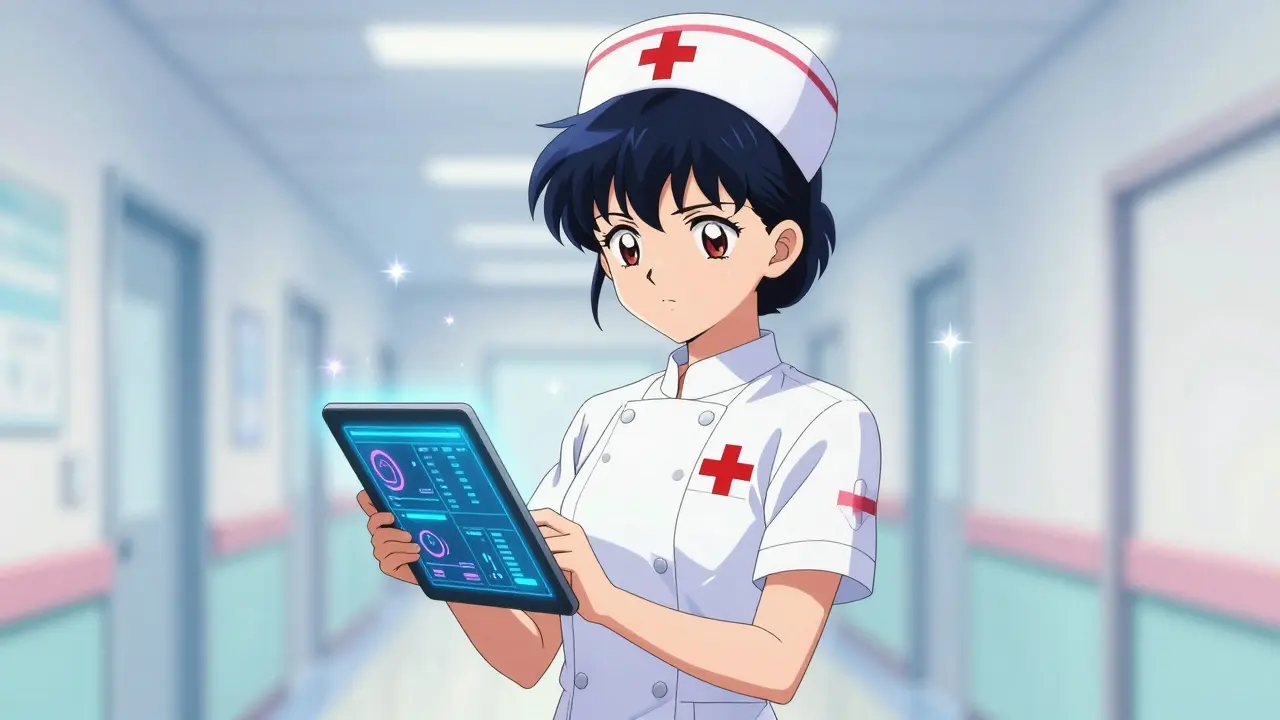
Imagine a nurse preparing to administer a routine dose of methotrexate. The order looks standard on the screen. But if that weekly chemotherapy drug is given daily by mistake, the consequences can be fatal. This isn’t a hypothetical nightmare scenario; it’s one of the most critical risks in modern healthcare. According to data from the National Coordinating Council for Medication Error Reporting and Prevention (NCC MERP), medication errors contribute to approximately 7,000 deaths annually in U.S. hospitals alone. For patients and families, navigating medication safety is the systematic effort to prevent errors in the medication-use process to protect patients from harm means understanding how these systems work-and where they sometimes fail.
The stakes are incredibly high. Beyond the human cost, the economic burden is staggering, with an estimated $21 billion spent each year on costs associated with medication errors. When you walk into a hospital or clinic, you’re entering a complex ecosystem designed to catch mistakes before they reach you. But does it always work? Let’s look at the real-world mechanics of keeping you safe, the tools being used, and what you can do to protect yourself.
Understanding the Landscape of Medication Errors
To fix a problem, we first have to define it. The American Society of Health-System Pharmacists (ASHP) defines a medication error as any preventable event that may cause or lead to inappropriate medication use or patient harm while the medication is under the control of a healthcare professional, patient, or consumer. This definition is broad because the sources of error are diverse.
Research by Bates et al. in 1995 revealed a startling statistic: there is at least one medication error per hospital patient per day. While not every error results in injury, the frequency highlights the sheer volume of decisions made regarding drugs every hour. In 2012, the American College of Obstetricians and Gynecologists (ACOG) noted that 400,000 preventable drug-related injuries occur annually in U.S. hospitals. These aren’t just typos on a prescription pad. They include:
- Prescribing errors: Wrong dose, wrong drug, or incorrect route of administration.
- Transcription errors: Mistakes when transferring orders from handwritten notes to electronic systems.
- Dispensing errors: Pharmacy staff giving the wrong medication or strength.
- Administration errors: Nurses giving the drug too fast, to the wrong patient, or via the wrong method (e.g., intrathecal instead of intravenous).
- Monitoring errors: Failing to check kidney function before dosing a nephrotoxic drug.
The root causes are often systemic, not individual. Fatigue, poor lighting, similar-looking drug names (like "Hydralazine" and "Hydroxyzine"), and alarm fatigue from constant computer beeps all contribute. Understanding this helps shift the blame from "bad apples" to broken processes.
The Gold Standard: ISMP Targeted Best Practices
In response to persistent safety issues, the Institute for Safe Medication Practices (ISMP) launched its Targeted Medication Safety Best Practices for Hospitals initiative. The current version (2020-2021) outlines 19 specific, mandatory actions hospitals must take to address the most dangerous recurring errors. This isn’t just advice; it’s a rigorous framework.
Let’s look at two of the most critical examples:
- Vinca Alkaloids: Drugs like vincristine are used for cancer but are lethal if injected into the spinal fluid (intrathecally). ISMP mandates that these drugs should never be stored in hospital areas where intrathecal injections are performed. If they must be present, strict labeling and storage separation are required.
- Methotrexate Dosing: As mentioned earlier, methotrexate is usually given once a week for conditions like rheumatoid arthritis or cancer. Daily dosing can cause bone marrow failure and death. ISMP requires electronic health records (EHRs) to default to a weekly regimen. If a doctor tries to order daily doses, the system triggers a "hard stop"-a verification barrier that cannot be bypassed without confirming an oncologic indication.
A study published in the *Journal of Patient Safety* in 2021 found that hospitals fully implementing these ISMP practices saw a 37% reduction in preventable harm incidents compared to those following only broader Joint Commission standards. However, implementation isn’t cheap. It averages $285,000 per hospital for technology updates and training. Despite the cost, the return on investment in saved lives and reduced liability is clear.
High-Alert Medications: Where Extra Eyes Are Essential
Not all drugs carry the same risk. ASHP guidelines identify "high-alert medications" as drugs that bear a heightened risk of causing significant patient harm when used in error. Common categories include insulin, opioids, anticoagulants (blood thinners), and concentrated electrolytes.
For these drugs, standard procedures aren’t enough. Hospitals implement special safeguards:
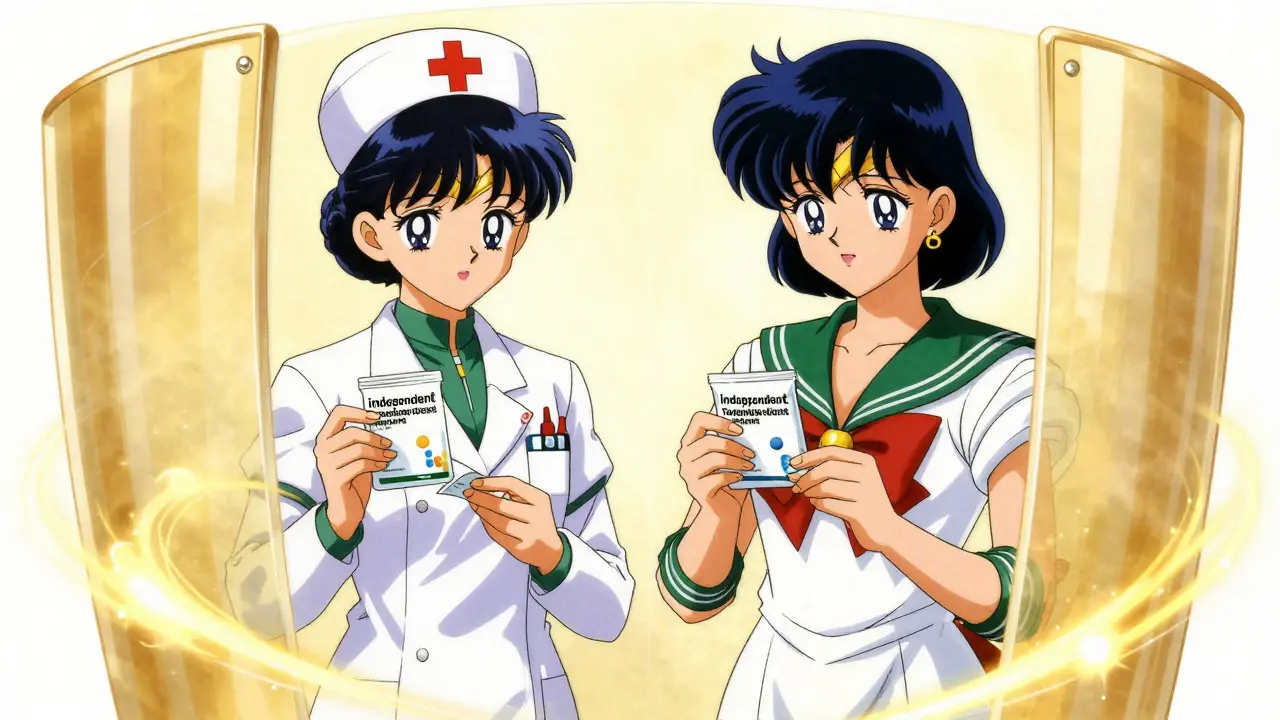
- Independent Double-Checks: Two qualified professionals (usually nurses or a nurse and pharmacist) independently verify the drug, dose, and patient before administration. They don’t watch each other; they check separately and then compare results.
- Standardized Concentrations: Reducing variability. For example, using only one concentration of potassium chloride to avoid calculation errors.
- Automated Dose Range Checking: EHRs flag doses that fall outside normal therapeutic ranges immediately.
In obstetrics, IV oxytocin is considered high-alert due to the risk of uterine hyperstimulation. Specific protocols for its infusion rates are required, which general hospital frameworks might miss. This specialization shows why context matters in safety design.
Technology: The Double-Edged Sword
Electronic Health Records (EHRs) and Barcode Medication Administration (BCMA) systems are pillars of modern safety. BCMA involves scanning a barcode on the patient’s wristband and the medication package right before administration. This ensures the "Five Rights": Right Patient, Right Drug, Right Dose, Right Route, Right Time.
Adoption is widespread. An AHRQ Chartbook from 2022 shows that 89% of U.S. hospitals with 300+ beds use BCMA. However, technology introduces new problems. A 2021 ASHP survey found that 63% of hospitals struggle to create effective hard stops in their EHRs due to vendor limitations. Sometimes, the software is rigid, forcing staff to find "workarounds" that bypass safety checks-a dangerous habit known as "gaming the system."
Furthermore, alert fatigue is real. If a system warns about every minor interaction, clinicians start ignoring warnings, including the critical ones. The goal is smart alerts, not noisy ones.
| Framework | Focus Area | Key Strength | Limitation |
|---|---|---|---|
| ISMP Targeted Best Practices | Specific high-risk scenarios (e.g., Methotrexate) | Mandatory, evidence-based, reduces specific harms by 37% | High implementation cost ($285k avg); resource-intensive |
| Joint Commission NPSG | Broad standards (Reconciliation, Identification) | Accreditation requirement; widely adopted | Lacks specific implementation details; lower impact on specific error types |
| ASHP Guidelines | Pharmacy operations & High-Alert Meds | Detailed protocols for pharmacists; strong on double-checks | Primarily focused on pharmacy scope, less on nursing workflow |
The Human Factor: Culture and Communication
Systems fail when people don’t follow them-or when the systems make following them impossible. Dr. David Bates, a leading expert in patient safety, has criticized fragmented safety approaches that cause "implementation fatigue" among frontline staff. When nurses and doctors are bombarded with conflicting protocols, they burn out.
Successful safety cultures encourage speaking up. If a nurse suspects an order is wrong, they must feel empowered to question the physician without fear of retribution. This is called a "just culture," focusing on system fixes rather than blaming individuals for honest mistakes.
Patient involvement is also crucial. A survey by the National Council on Aging found that 68% of adults aged 65+ felt more confident in their care when hospitals strictly enforced the "Right Patient Check" (verifying name, birth date, and wristband). You are part of the safety team. Always verify your identity and ask questions.

Challenges in Implementation
Why aren’t all hospitals perfect? Resource disparity is a major factor. A 2022 ECRI Institute study showed that only 42% of community hospitals fully implemented all ISMP Targeted Best Practices, compared to 78% of academic medical centers. Smaller, rural hospitals often lack the IT support and staffing to manage complex safety protocols.
Workflow bottlenecks are another issue. One nurse manager reported that requiring both written and verbal discharge instructions for methotrexate created delays during staffing shortages. Safety measures must be practical. If a protocol takes too long, staff will cut corners.
Additionally, the gap between inpatient and outpatient settings is widening. ISMP data shows a 47% rise in reported errors in ambulatory settings between 2018 and 2022. Patients are discharged faster, often managing complex regimens at home without the same level of monitoring. The ISMP plans to expand its best practices to include ambulatory care in the 2024-2025 update cycle to address this gap.
Future Trends: AI and Personalization
What’s next? Artificial Intelligence is poised to transform medication safety. Gartner predicts that by 2025, 75% of U.S. hospitals will integrate AI for real-time medication error detection. AI can analyze vast amounts of patient data-kidney function, genetics, other medications-to predict adverse reactions before they happen.
Pilot programs at Mayo Clinic and Johns Hopkins have already shown a 32% improvement in error detection when incorporating patient-reported outcomes into safety protocols. Listening to the patient’s experience adds a layer of intelligence that machines alone can’t provide.
The FDA’s 2023 Safe Use Initiative also introduces stricter labeling requirements for high-concentration electrolytes, aiming to reduce confusion at the point of care. These changes, fully implemented by late 2024, reflect a continuous effort to align product design with safety needs.
How You Can Protect Yourself
You don’t need to be a pharmacist to advocate for your safety. Here are actionable steps:
- Keep an Updated List: Maintain a list of all your medications, including over-the-counter drugs and supplements. Bring it to every appointment.
- Ask Questions: "What is this medication for?" "What are the side effects?" "Does this interact with my other drugs?"
- Verify Administration: When a nurse brings your meds, check the label against your expectations. If it looks different, speak up.
- Use One Pharmacy: Using a single pharmacy allows the pharmacist to monitor interactions across all your prescriptions.
- Report Errors: If you notice a mistake, report it. It helps the system improve for everyone.
Medication safety is a shared responsibility. Hospitals are investing billions in technology and protocols, but the final line of defense is often communication. By understanding these systems, you become an active participant in your own care, reducing risk and improving outcomes.
What is the most common type of medication error in hospitals?
Prescribing errors are among the most frequent, followed by administration errors. Issues like wrong dose, wrong timing, or failing to account for drug interactions are common. However, the most *dangerous* errors often involve high-alert medications like insulin, opioids, and chemotherapeutic agents such as vinca alkaloids.
How do hospitals prevent methotrexate errors?
Hospitals use Electronic Health Records (EHRs) to enforce a weekly dosing default for methotrexate. If a provider attempts to order daily doses, the system triggers a "hard stop" requiring verification that the patient has a specific oncologic indication. Additionally, pharmacists perform independent double-checks, and patients receive detailed written and verbal education.
What are ISMP Targeted Best Practices?
The Institute for Safe Medication Practices (ISMP) Targeted Best Practices are a set of 19 mandatory safety protocols for hospitals. They focus on high-risk scenarios, such as preventing intrathecal administration of vinca alkaloids and eliminating glacial acetic acid from hospital units. Studies show full implementation can reduce preventable harm incidents by 37%.
Why are high-alert medications treated differently?
High-alert medications, such as insulin, heparin, and concentrated electrolytes, carry a significantly higher risk of causing serious patient harm if used incorrectly. Because the margin for error is so small, hospitals require special safeguards like independent double-checks by two staff members, standardized concentrations, and automated dose-range checking in electronic systems.
Can technology completely eliminate medication errors?
No. While technology like Barcode Medication Administration (BCMA) and Clinical Decision Support (CDS) reduces errors significantly, it introduces new challenges like alert fatigue and system rigidity. Human judgment and communication remain essential. Technology supports safety, but it does not replace the need for a strong safety culture and vigilant staff.
What is the role of the Joint Commission in medication safety?
The Joint Commission sets National Patient Safety Goals (NPSGs) that accredited hospitals must meet. These goals include identifying high-alert medications and performing medication reconciliation upon admission, transfer, and discharge. While broader than ISMP’s targeted practices, Joint Commission standards drive baseline compliance across the healthcare industry.
How can patients help ensure their own medication safety?
Patients can maintain an updated list of all medications, ask questions about purpose and side effects, verify their identity and medication labels before acceptance, use a single pharmacy for better interaction monitoring, and speak up if something seems wrong. Active participation is one of the most effective safety layers.

Brandon Brodsky
June 11, 2026 AT 19:33Oh wow, another article telling us that doctors might accidentally kill people. Groundbreaking journalism right there. I mean, who knew that giving chemo drugs daily instead of weekly could be a bad idea? I’m sure the hospital administration is just thrilled to hear about this 'shocking' revelation that they’ve been aware of for decades.
Aditya Singh
June 12, 2026 AT 12:03Actually, the nuance here is quite fascinating from a systems engineering perspective. The concept of 'alarm fatigue' mentioned in the text is a critical bottleneck in modern clinical decision support systems (CDSS). When we look at the signal-to-noise ratio in EHR alerts, it becomes evident that without machine learning-driven prioritization, the cognitive load on practitioners exceeds their capacity for effective vigilance. This is why the integration of AI for real-time error detection is not just a trend but a necessity for scalable safety protocols in high-volume tertiary care centers.
Brett Webster
June 14, 2026 AT 03:02I appreciate the detailed breakdown of the ISMP practices. As someone who works in health informatics, I can confirm that the $285,000 implementation cost is actually a fraction of what hospitals spend on liability settlements after a single preventable adverse event. The key isn't just buying the software; it's the workflow redesign. We have to ensure that the 'hard stops' don't become obstacles that encourage workarounds. If the system forces a nurse to click through five screens to verify a dose, they will find a way around it. Simplicity saves lives.
Hailey Dunston
June 14, 2026 AT 06:01One must consider the epistemological limitations of relying solely on technological fixes. It is rather pretentious to assume that a barcode scanner can replace the nuanced judgment of a seasoned clinician. Moreover, the notion that patients should 'verify administration' is absurdly naive. Do you truly expect an elderly patient, often sedated or confused, to act as a pharmacist? This shifts the burden of institutional incompetence onto the vulnerable consumer. How quaint. :)
Sherry Wheeler
June 15, 2026 AT 22:58It’s heartbreaking to think about the families affected by these errors. Every statistic represents a human life cut short or altered forever. We need to foster a culture where nurses feel safe speaking up without fear of retribution. The 'just culture' concept is vital because blame doesn’t fix broken systems. Empathy and open communication are our strongest tools against these tragedies. We must advocate for better staffing and less burnout so that caregivers can focus on what matters most: patient safety.
Lee Coates
June 16, 2026 AT 06:00Typical foreign influence ruining our healthcare standards again. We need to stick to American-made solutions and stop outsourcing our safety protocols to global conglomerates. Our hospitals are already understaffed because we’re hiring too many immigrants who don’t understand our values. Keep it simple, keep it local. ;)
Emily Barnhill
June 16, 2026 AT 12:34That is completely unacceptable rhetoric. Healthcare is a universal human right, and diversity in the medical workforce brings valuable perspectives that improve patient outcomes. Blaming immigrants for systemic issues like understaffing is ignorant and harmful. We need to support all healthcare workers regardless of their background and address the root causes of burnout and resource disparity. Let’s focus on solutions, not scapegoating.
Callie Skipper
June 17, 2026 AT 20:05i just keep my meds in one place and ask questions if something looks weird its not rocket science honestly
shreya sinha
June 18, 2026 AT 21:41It is profoundly disturbing to observe the casual disregard for rigorous pharmacological verification that permeates public discourse. The author’s suggestion that patients merely 'ask questions' is a gross oversimplification of the complex biochemical interactions that occur within the human body. One cannot simply rely on layperson intuition when dealing with high-alert medications such as concentrated electrolytes or chemotherapeutic agents. The moral imperative lies with the institution to enforce strict, unyielding adherence to established safety protocols, rather than placing the onus of survival on the uninformed individual. To suggest otherwise is ethically bankrupt and dangerously negligent.
Ganesh Honikol
June 20, 2026 AT 20:44Indeed, the ethical framework surrounding medication safety requires a robust commitment to systemic integrity. From my experience coordinating care across multiple disciplines, I have observed that the most effective safeguards are those that integrate seamlessly into existing workflows without imposing excessive cognitive burdens. For instance, standardized concentrations of potassium chloride significantly reduce calculation errors, thereby enhancing overall patient safety. Furthermore, the implementation of independent double-checks by qualified professionals ensures that potential discrepancies are identified before administration. It is crucial that we maintain grammatical precision and logical coherence in our discussions to promote clarity and understanding among all stakeholders involved in the healthcare ecosystem. :)
Glenn Davis
June 21, 2026 AT 19:29We need stronger regulations. No more loopholes. Protect American patients first.
Christina S.
June 22, 2026 AT 00:31You're absolutely right that clear guidelines help everyone stay on the same page. It’s great to see experts pushing for stricter standards. Keeping things simple and consistent really does make a huge difference in reducing stress for both staff and patients. Thanks for sharing your perspective!