
Imagine buying a generic antibiotic for a serious infection, only to find out it contains chalk instead of medicine. Or worse, it contains a dangerous substitute that makes you sicker. This isn’t a hypothetical nightmare; it’s the reality for millions of people facing the rise of counterfeit generics, which are falsified versions of off-patent drugs that mimic authentic medications but contain incorrect ingredients, insufficient active pharmaceutical ingredients (API), or hazardous substitutes. Unlike legitimate generics, which undergo rigorous regulatory approval to prove they work just like brand-name drugs, these fakes slip into the supply chain through illegal channels with zero quality control.
The problem has exploded recently. According to the Pharmaceutical Security Institute (PSI), there were 6,424 incidents of pharmaceutical counterfeiting globally in 2024 across 136 countries-a 38% jump from 2020. In March 2025 alone, Interpol’s Operation Pangea XVI seized over 50 million doses of unapproved medicines and shut down 13,000 illegal websites. If you rely on affordable generic drugs, understanding how to protect yourself is no longer optional-it’s essential.
What Makes Counterfeit Generics So Dangerous?
Legitimate generic drugs are life-savers. They provide the same therapeutic effect as branded medications at a fraction of the cost-typically 80-85% less. But counterfeit generics undermine this value proposition completely. A study published in The American Journal of Tropical Medicine and Hygiene found that 52.8% of counterfeit medicines detected in supply chains contained either no active ingredient or dangerous substitutes.
The World Health Organization (WHO) estimates that at least 1 in 10 medicines in low- and middle-income countries are substandard or falsified. In some African regions, that number climbs to 70%. The financial toll is staggering: these fakes cost countries an estimated US$30.5 billion annually in healthcare burdens and lost productivity. Beyond the money, the human cost includes treatment failures, hospitalizations, and even deaths. For instance, counterfeit malaria treatments have caused liver damage in Nigeria, while fake oncology biologics like Bristol Myers Squibb’s Yervoy and Opdivo were intercepted in Colombia in May 2025.
How to Spot a Fake Medication
You don’t need a lab coat to spot many red flags. Criminals are getting smarter, but they still make mistakes. Here’s what to look for:
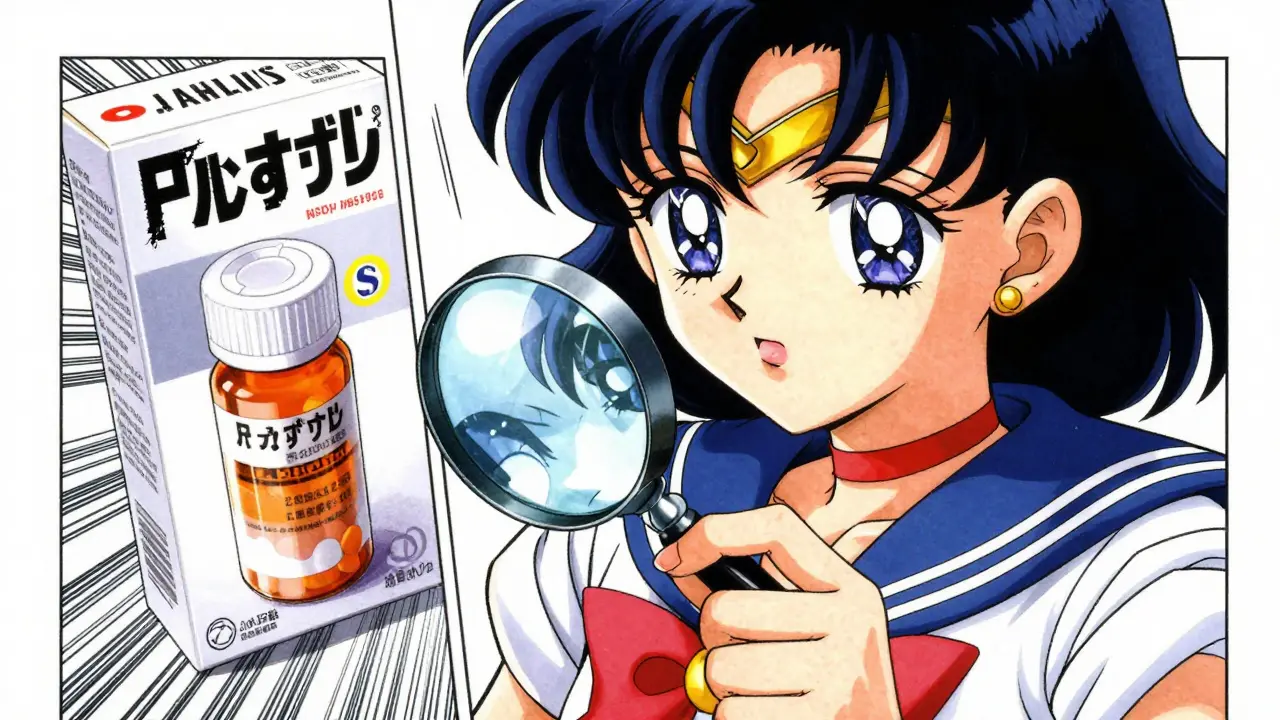
- Packaging inconsistencies: Check for misspelled words, blurry logos, or poor print quality. Legitimate manufacturers invest heavily in branding; fakes often cut corners here.
- Physical appearance: WHO’s ‘Medicines Safe’ campaign advises consumers to inspect tablets for unusual color, size, or texture variations. If your pills look different from previous batches, pause.
- Price too good to be true: While generics are cheap, counterfeiters sell them 30-50% below legitimate generic prices. If a deal seems suspiciously low, it probably is.
- Lack of prescription requirements: Dr. Margaret A. Hamburg, former FDA Commissioner, noted that 89% of illegal online pharmacies don’t require prescriptions. Legitimate pharmacies always verify your medical history.
For high-risk medications like Ozempic, use manufacturer-specific tools. Novo Nordisk’s ‘Verify Your Pen’ system saw 2.1 million authentications in Q3 2025, flagging 1.8% as potentially counterfeit. These apps are free and easy to use-just scan the QR code on the packaging.
The Online Pharmacy Trap
The internet has made accessing medication easier, but it’s also a haven for criminals. Fifty percent of medicines sold by online pharmacies that hide their physical address are fake. During 2025, U.S. Customs and Border Protection intercepted countless shipments of counterfeit Ozempic, Botox, and erectile dysfunction drugs entering from Asia. Even brick-and-mortar pharmacies aren’t immune: an Iowa pharmacy was fined $25,000 in August 2025 for selling fake Ozempic.
If you buy online, stick to verified sites. Look for the VIPPS (Verified Internet Pharmacy Practice Sites) seal, which indicates the pharmacy is licensed and follows strict safety standards. Avoid sites that promise ‘miracle cures’ or operate out of jurisdictions with weak regulations. When in doubt, ask your doctor or pharmacist for recommendations.
| Feature | Authentic Generic | Counterfeit Generic |
|---|---|---|
| Regulatory Approval | FDA/EMA approved, bioequivalence proven | No approval, no quality control |
| Active Ingredient Content | 100% required dose (within 80-125% range) | 0-30% or entirely different substances |
| Price | 80-85% less than brand name | 30-50% less than legitimate generics |
| Safety Features | QR codes, holograms, tamper-evident seals | Fake or missing security features |
| Source | Licensed pharmacies, verified online retailers | Unverified websites, social media sellers |
Why Are Counterfeits So Prevalent Now?
The global pharmaceutical supply chain expanded significantly after 2000, creating more opportunities for criminals. But the COVID-19 pandemic accelerated the crisis. Criminals exploited the surge in demand for antivirals and treatments, flooding markets with fakes. Today, the illicit trade is valued at $200 billion, with counterfeit generics making up about 35% of that market.
Criminal networks are now using pharmaceutical-grade manufacturing equipment, according to Dr. Scott Gottlieb, former FDA Commissioner. They’re also leveraging AI to create more convincing packaging and exploit telemedicine growth. Interpol documented 123 dismantled criminal groups in Operation Pangea XVI, showing the scale of organized involvement.
Low- and middle-income countries bear the brunt of this crisis. The WHO reports 10.5% of medicines in these regions are substandard or falsified, compared to just 1% in high-income countries. However, even wealthy nations aren’t safe. The U.S. market faces vulnerabilities, with 2,465 bulk foreign shipments of semaglutide or tirzepatide inspected between September 2023 and January 2025. Of these, 239 came from unregistered entities, and 195 were improperly allowed into the country despite legal prohibitions.
Practical Steps to Protect Yourself
Protecting yourself requires a multi-layered approach. Start by educating yourself on basic checks, which take about 15-20 minutes to learn. For advanced techniques, like using portable spectrometers, expect up to 8 hours of training-but most people won’t need this level of expertise.
- Buy from trusted sources: Always purchase from state-licensed pharmacies or verified online retailers. If you’re unsure, ask your healthcare provider.
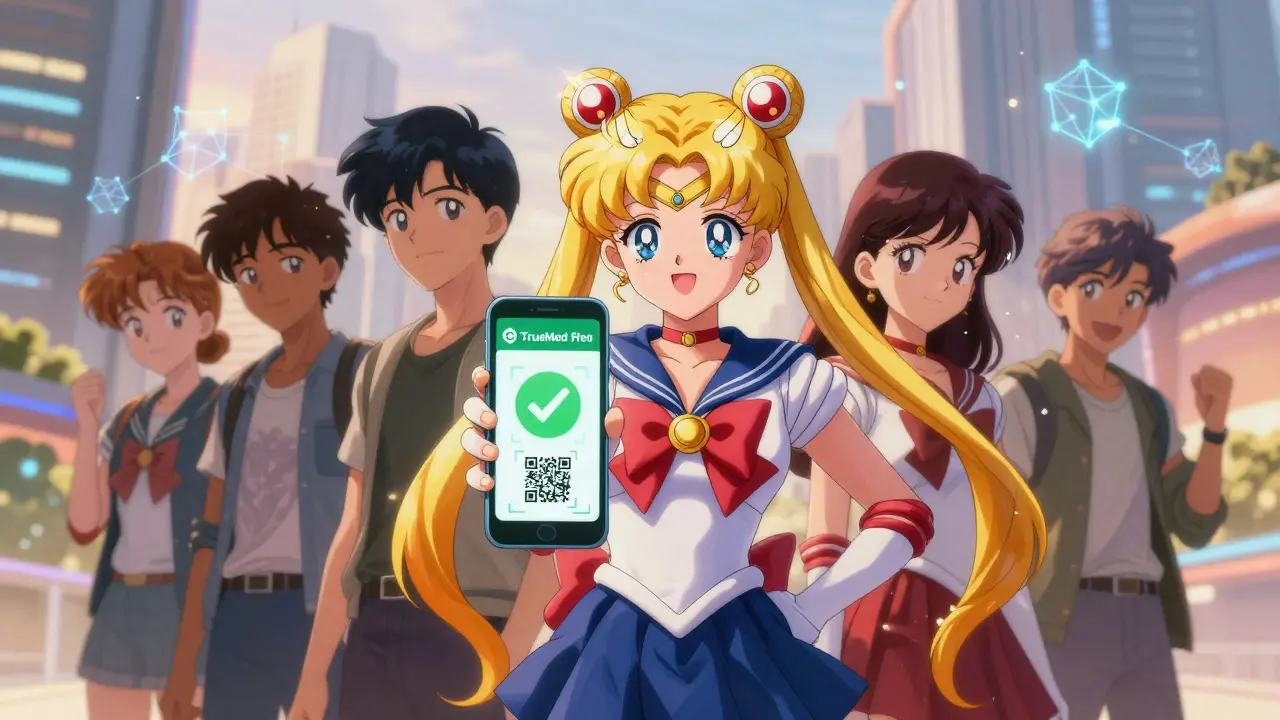
- Verify packaging: Use manufacturer authentication systems. Apps like TrueMed, which boasts a 4.7/5 rating on Google Play, can help verify products quickly.
- Report suspicious products: If you suspect a medication is fake, report it immediately. Resources include Pfizer’s Anti-Counterfeiting Hotline, the FDA’s MedWatch program, and the International Medical Products Anti-Counterfeiting Taskforce (IMPACT) portal, which processed 12,450 consumer reports in 2024.
- Stay informed: Follow updates from regulatory bodies like the FDA and WHO. In November 2025, the FDA announced new guidance requiring enhanced verification for high-risk generics, including semaglutide products.
Don’t ignore subtle signs. If your medication doesn’t seem to work, or if you experience unexpected side effects, consult your doctor. Treatment failure with counterfeit weight-loss medications has been widely reported, with users noting ‘no blood sugar improvement after 3 months’ on suspected fakes.
The Future of Medication Safety
While the threat is growing, so are the solutions. Blockchain verification systems have reduced counterfeit incidence by 22% in pilot programs across 15 countries since 2023. India mandated QR codes on active pharmaceutical ingredient containers in January 2023, and the EU implemented safety features on packaging via the Falsified Medicines Directive in 2019.
However, adoption remains uneven. IFPMA’s 2025 industry survey found that while 78% of major pharmaceutical companies have track-and-trace systems, only 32% of pharmacies in low-income countries have access to verification tools. Without increased funding for regulatory authorities, Dr. Amir Attaran of the University of Ottawa predicts counterfeit generics will continue comprising 10-15% of the market in vulnerable regions through 2030.
On the brighter side, AI-powered verification systems could reduce counterfeit incidence by 40% in high-income countries by 2028, according to IQVIA analysts. As technology advances, staying vigilant and informed will remain your best defense against counterfeit generics.
What are counterfeit generics?
Counterfeit generics are falsified versions of off-patent drugs that mimic authentic medications but contain incorrect ingredients, insufficient active pharmaceutical ingredients (API), or dangerous substitutes. Unlike legitimate generics, they bypass regulatory approval and quality control, posing significant health risks.
How common are counterfeit medications?
Counterfeit medications are alarmingly common. The WHO estimates that 1 in 10 medicines in low- and middle-income countries are substandard or falsified. In 2024, there were 6,424 incidents of pharmaceutical counterfeiting globally, a 38% increase from 2020.
Can I trust online pharmacies?
You can trust online pharmacies if they are verified and licensed. Look for the VIPPS seal and avoid sites that don’t require prescriptions or hide their physical address. Fifty percent of medicines sold by unverified online pharmacies are fake.
How do I verify my medication?
Use manufacturer-specific verification tools like Novo Nordisk’s ‘Verify Your Pen’ or apps like TrueMed. Check packaging for spelling errors, verify National Drug Code (NDC) numbers, and inspect tablets for unusual appearance. Report any suspicions to regulatory bodies like the FDA’s MedWatch program.
Why are counterfeit generics increasing?
The rise is driven by expanded global supply chains, the COVID-19 pandemic’s impact on demand, and sophisticated criminal networks using pharmaceutical-grade equipment and AI. The illicit trade is now worth $200 billion, with counterfeit generics comprising 35% of this market.
What should I do if I suspect my medication is fake?
Stop taking the medication and consult your doctor immediately. Report the product to authorities like Pfizer’s Anti-Counterfeiting Hotline, the FDA’s MedWatch program, or the IMPACT portal. Document any adverse reactions and keep the packaging for investigation.
Are there technologies helping to combat counterfeits?
Yes, blockchain verification systems have reduced counterfeit incidence by 22% in pilot programs. AI-powered verification systems could reduce incidence by 40% in high-income countries by 2028. Mandatory QR codes and safety features on packaging are also being implemented in regions like India and the EU.
