
Bedding Allergy: What Causes It and How to Stop It
When you wake up sneezing, itchy, or with a stuffy nose, your bedding allergy, an allergic reaction triggered by substances in your bed linens, pillows, or mattress. Also known as allergic rhinitis from indoor allergens, it’s not just bad luck—it’s often caused by tiny, invisible invaders living right where you sleep. Most people think it’s dust, but the real culprit is usually dust mites, microscopic bugs that feed on dead skin cells and thrive in warm, humid bedding. They don’t bite. They don’t crawl on you. But their droppings? That’s what triggers your immune system to go haywire.
It’s not just mites. pet dander, flakes of skin from cats, dogs, or even hamsters that stick to fabric can settle into your pillows and blankets, especially if your pet sleeps in your room. Synthetic fibers in cheap sheets and polyester-filled pillows also trap moisture and heat, making them perfect breeding grounds. Even natural fibers like cotton can become problematic if they’re not washed weekly in hot water. You might think your allergy is seasonal, but if your symptoms get worse at night or right after you wake up, your bedding is likely the source.
People often try antihistamines or nasal sprays, but those just mask the problem. Real relief comes from changing what’s in your bed—not just what you take. Look for hypoallergenic bedding, materials and covers designed to block allergens from penetrating fabric. Encasements for mattresses and pillows made with tightly woven fabrics can trap mites and prevent exposure. Washing sheets every week in water above 130°F kills mites and removes allergens. Avoid down or feather pillows—they’re dust magnets. And if you have pets, keep them out of the bedroom. It’s not extreme. It’s basic.
You don’t need to buy expensive brands. You just need to be consistent. A clean bed isn’t about luxury—it’s about stopping a reaction before it starts. The posts below show you what works: from real-life fixes people tried, to the hidden ingredients in common bedding products, to how certain medications can make symptoms worse. No fluff. No guesses. Just what actually helps.
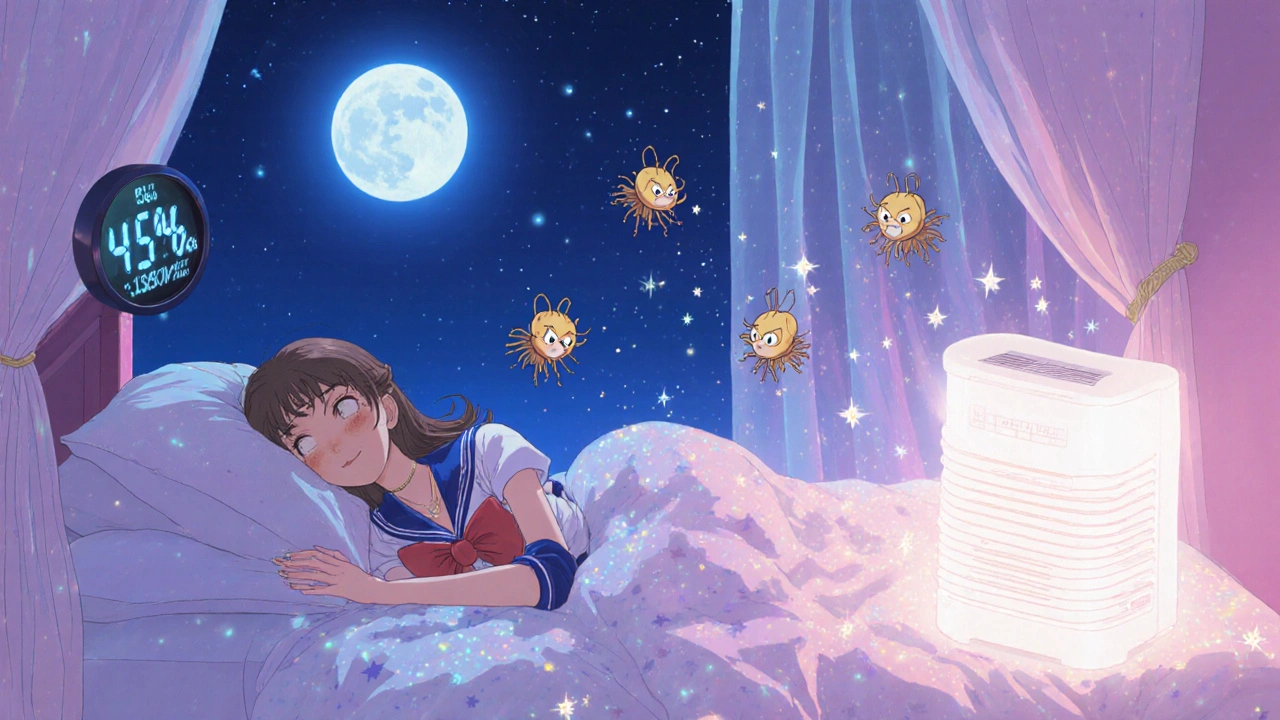
Dust Mite Control: Bedding, Humidity, and Cleaning Tips for Allergy Relief
by philip onyeaka Nov 20 2025 12 Respiratory HealthLearn how to control dust mites in your bedroom with proven methods: humidity control below 50%, hot water washing of bedding, allergen-proof encasements, and smart cleaning. Reduce allergy symptoms naturally and permanently.
READ MORE