
Drug Exclusivity: What It Means for Your Medication Options
When you hear drug exclusivity, a period during which the FDA blocks generic versions of a brand-name drug from being sold. Also known as market exclusivity, it’s not the same as a patent, but it often works alongside one to delay cheaper alternatives. This system was meant to reward innovation, but it also keeps prices high for years—even after a drug’s formula is well understood.
Behind every brand-name drug you take, there’s a clock ticking. Generic drugs, lower-cost copies of brand-name medications that become available after exclusivity ends can’t hit the market until that clock runs out. The FDA grants exclusivity for different reasons: five years for new chemical entities, three years for new uses or formulations, seven years for orphan drugs, and even longer if pediatric studies are done. That means if your doctor prescribes a drug like Humira or Enbrel, you might be paying hundreds a month because no generic is legally allowed yet—even if the science behind it is decades old.
It’s not just about money. FDA drug approval, the process that ensures a drug is safe and effective before it reaches patients doesn’t end when a drug launches. Post-market studies, like those tracking side effects in real patients, often reveal problems years later—problems that generics might not have been tested for. That’s why some people react differently to generics, even when they’re chemically identical. The system isn’t broken, but it’s not always transparent. You might be paying more because of a legal loophole, not because the drug is better.
What you’ll find in these articles isn’t just theory. Real stories about how drug exclusivity affects people: someone on a blood thinner who can’t switch to a cheaper version because of a three-year exclusivity window, a parent choosing between an expensive pediatric formula and a risky off-label alternative, or a patient who finally got access to a generic after a patent fight ended. These aren’t abstract policy debates—they’re daily decisions that impact health, wallets, and peace of mind.
Drug exclusivity shapes what’s available, what you pay, and sometimes, whether you get treated at all. Below, you’ll see how it connects to everything from rare skin reactions to statin side effects, from generic safety studies to how you buy medicine online. This isn’t just about big pharma—it’s about your next prescription.
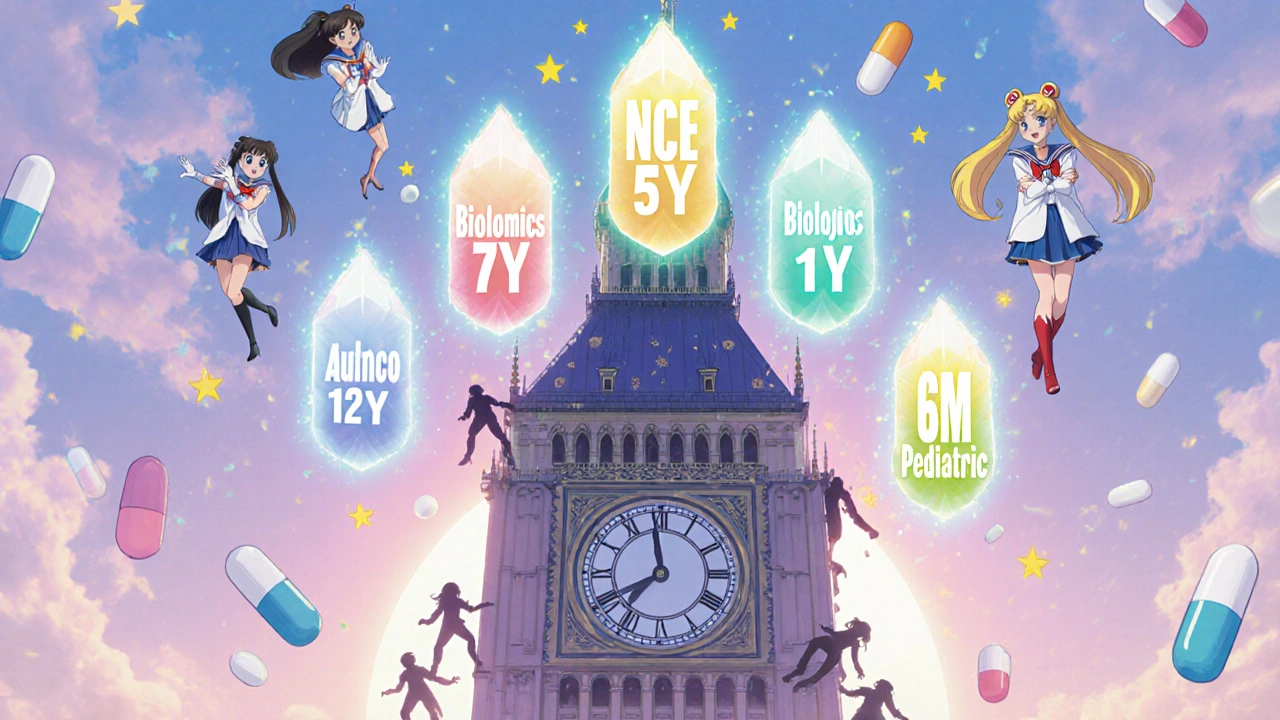
Regulatory Exclusivity: How Non-Patent Protections Delay Generic Drugs
by philip onyeaka Nov 16 2025 9 PharmaceuticalsRegulatory exclusivity gives drugmakers guaranteed market protection without patents, delaying generic competition for 5 to 12 years. Learn how it works, why it matters for drug prices, and how it differs from patents.
READ MORE