
FDA Exclusivity: What It Means for Drug Access and Generic Competition
When a new drug hits the market, FDA exclusivity, a period of market protection granted by the U.S. Food and Drug Administration to encourage innovation. It's not the same as a patent, but it acts like one—blocking cheaper copies from entering the market for a set time. This rule exists to reward companies that invest in proving a drug works, especially when they’re tackling rare diseases or creating new formulations. But for patients, it means waiting—sometimes years—before a generic version becomes available and prices drop.
FDA exclusivity isn’t one-size-fits-all. It comes in different flavors. New chemical entities, the most common type, get five years of protection. Orphan drug exclusivity, for treatments targeting fewer than 200,000 Americans, lasts seven years. And then there’s pediatric exclusivity, an extra six months added if a company studies a drug in children. These rules shape who gets access, when, and at what cost. You’ll see this play out in posts about generic drug safety, post-market monitoring, and how medications like minocycline or lamotrigine eventually become cheaper alternatives.
But exclusivity doesn’t mean safety stops at approval. That’s why the FDA keeps watching drugs after they’re on the shelf. Posts like the one on generic drug safety and post-market surveillance show how real-world use can uncover side effects that clinical trials missed. Even if a drug has exclusivity, its long-term risks don’t disappear—they just get tracked differently. And when exclusivity ends, the flood of generics doesn’t always mean identical results. Some patients react differently to generics, which is why studies on adverse drug reactions and medication monitoring matter.
What you’ll find below isn’t just a list of articles—it’s a look at how exclusivity shapes everything from the price of your prescription to how safely a drug is used over time. You’ll see how drugs like warfarin, statins, and Flomax are affected by the timeline between brand and generic. You’ll learn why medical alert bracelets and food interactions become more critical when you switch from a brand to a generic. And you’ll understand why some medications, like those for acne or gout, have more options than others—not because they’re better, but because their exclusivity periods ended sooner.
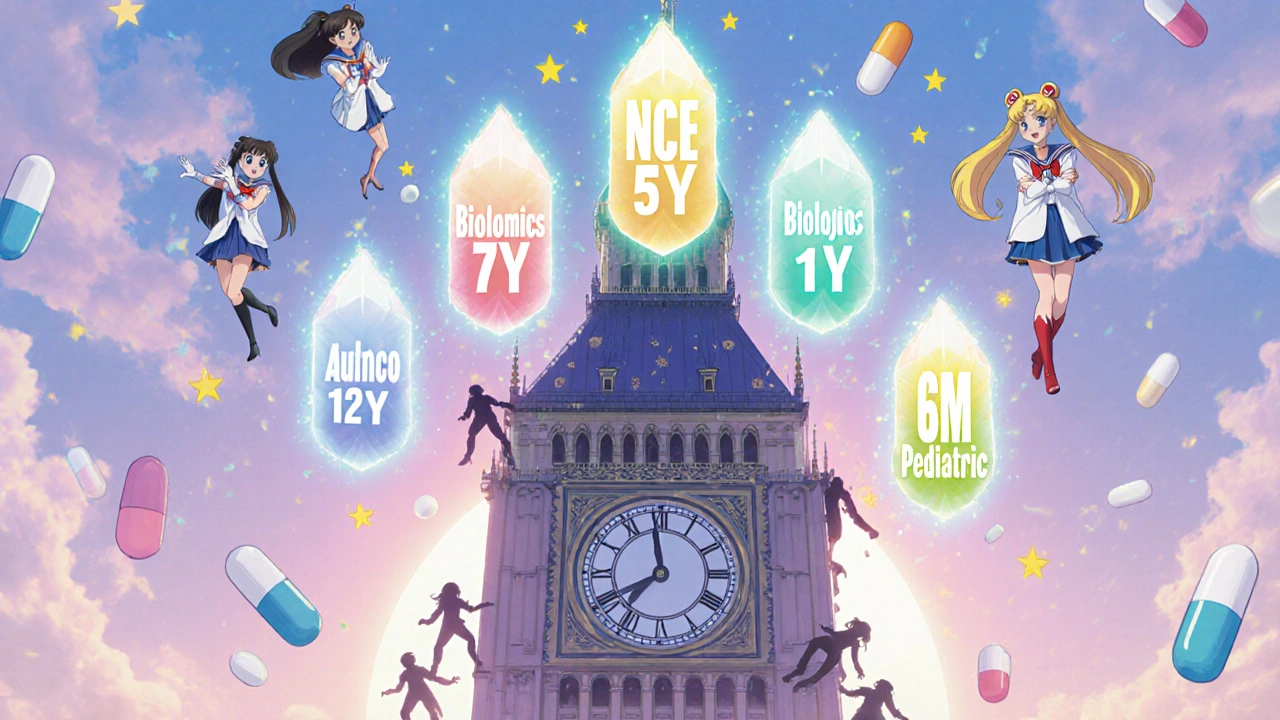
Regulatory Exclusivity: How Non-Patent Protections Delay Generic Drugs
by philip onyeaka Nov 16 2025 9 PharmaceuticalsRegulatory exclusivity gives drugmakers guaranteed market protection without patents, delaying generic competition for 5 to 12 years. Learn how it works, why it matters for drug prices, and how it differs from patents.
READ MORE