
Generic Drug Delay: Why Some Medications Take Longer to Reach Patients
When you need a generic drug, you expect it to be available—affordable, reliable, and on the shelf. But generic drug delay, a situation where FDA-approved generic medications aren’t immediately accessible to patients despite regulatory clearance. Also known as generic drug shortage, it’s not a glitch—it’s a systemic issue that hits people paying out-of-pocket or relying on insurance coverage. These delays don’t mean the drug isn’t safe. They mean something else is broken in the pipeline.
Behind every generic medication, a chemically identical version of a brand-name drug that becomes available after patent expiration. Also known as off-patent drug, it is a race between manufacturers, regulators, and supply chains. The FDA approves the drug, sure—but approval doesn’t mean production. Many generic makers operate on thin margins, and if one plant shuts down for inspection, or raw materials get stuck at customs, the whole chain stalls. This isn’t rare. In 2022, over 200 generic drugs faced shortages in the U.S., many of them critical for heart conditions, diabetes, or infections. And when those drugs vanish, patients either pay more for the brand version or go without.
Then there’s the drug supply chain, the complex network of manufacturers, distributors, and pharmacies that move medications from factory to patient. Also known as pharmaceutical distribution system, it is built for efficiency, not resilience. Most generic drugs are made overseas, often in just one or two facilities. If a single factory in India or China faces a quality issue, it can ripple across the country. Even small delays in shipping or labeling can push back shipments by weeks. And while the FDA approval, the official process by which the U.S. Food and Drug Administration authorizes a drug for sale. Also known as drug clearance, it is fast for generics compared to brand-name drugs, it doesn’t fix what happens after the paperwork is signed.
What’s worse? These delays often hit the most vulnerable. Someone on a generic blood thinner, a cheap antibiotic, or a thyroid pill can’t just switch to another option without risking their health. Studies show that when generic levothyroxine or metformin disappear, patients end up in ERs—not because the drug was bad, but because they couldn’t get it at all.
That’s why the articles here matter. You’ll find real stories and data on how generic drug delay affects people daily. Some posts dig into post-market safety studies that track why certain generics get pulled or delayed. Others show how supply chain gaps lead to sudden shortages of common meds like clonidine or warfarin. You’ll see how even something as simple as a label change can trigger a delay, or how a single manufacturer’s bankruptcy can leave thousands without access. These aren’t theoretical problems—they’re the reason someone’s prescription sits unfulfilled at the pharmacy counter.
What you’ll find below isn’t just a list of articles. It’s a map of where the system breaks—and how patients, doctors, and watchdogs are fighting back. Whether it’s about why a generic Claritin or Lamictal suddenly vanishes, or how delayed access to a statin can derail heart health, these posts give you the facts you need to understand, ask better questions, and protect yourself when the system falters.
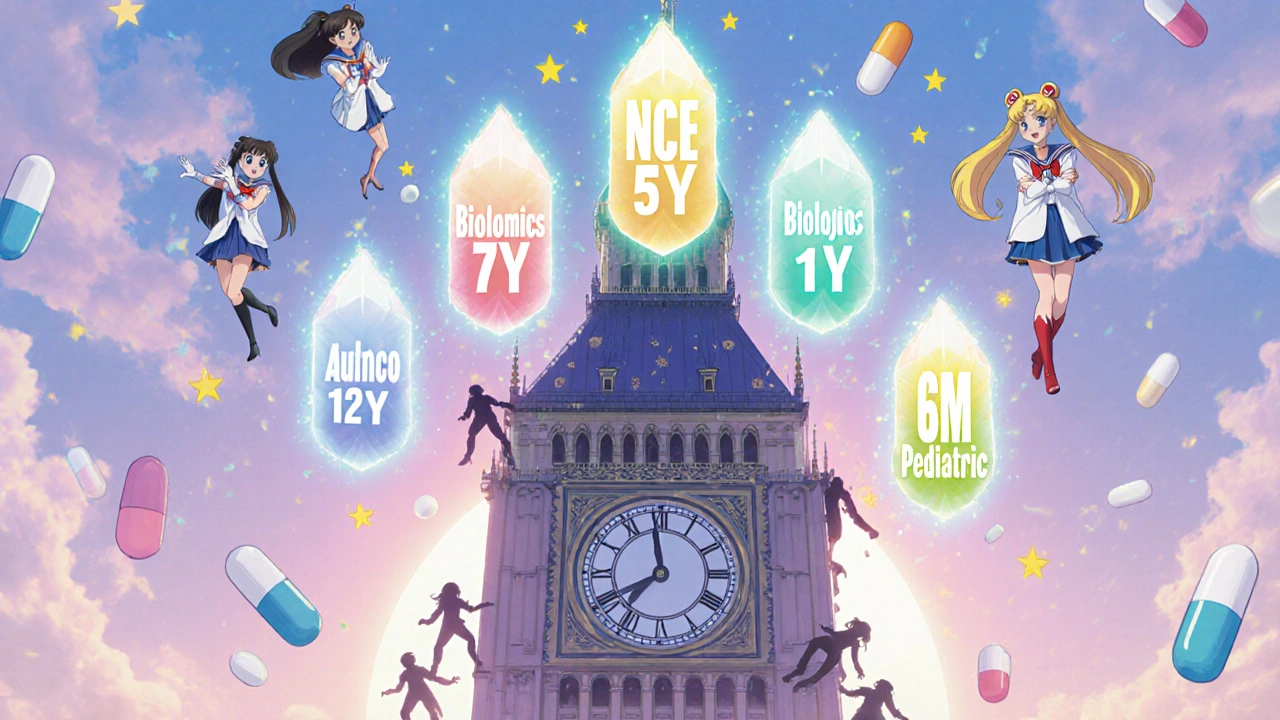
Regulatory Exclusivity: How Non-Patent Protections Delay Generic Drugs
by philip onyeaka Nov 16 2025 9 PharmaceuticalsRegulatory exclusivity gives drugmakers guaranteed market protection without patents, delaying generic competition for 5 to 12 years. Learn how it works, why it matters for drug prices, and how it differs from patents.
READ MORE