
Regulatory Exclusivity: What It Means for Drug Access and Pricing
When a new drug hits the market, regulatory exclusivity, a period of market protection granted by health authorities like the FDA to encourage innovation. It's not the same as a patent, but it works alongside it to delay cheaper versions from entering the market. This system is meant to reward companies for the time, money, and risk it takes to develop a new medicine. But it also means patients may pay higher prices for years—even after the drug’s science is no longer new.
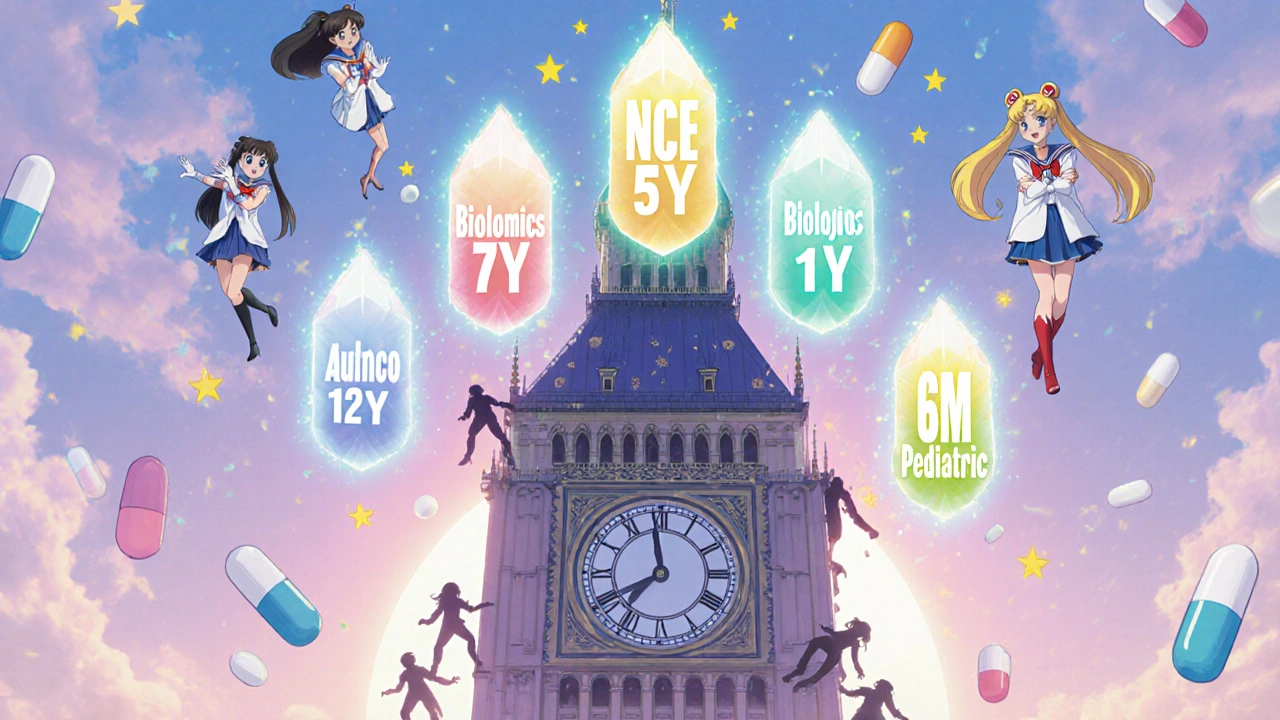
There are different types of regulatory exclusivity, a legal barrier preventing generic or biosimilar competitors from getting approval. It includes orphan drug exclusivity, seven years for drugs treating rare diseases, new chemical entity exclusivity, five years for truly novel active ingredients, and data exclusivity, where generic makers can’t copy the original company’s clinical trial data. These rules are why some drugs stay expensive long after their patents expire. For example, a drug approved for a rare condition might have seven years of exclusivity, even if another company has a cheaper version ready to go.
It’s also why you’ll see posts here about generic drug safety, post-market surveillance, and medication side effects. When exclusivity ends, generics flood the market—and that’s when real-world data starts to matter. Studies show some patients react differently to generics, not because they’re unsafe, but because of tiny differences in fillers or absorption. The FDA tracks those reactions through post-market studies, ongoing monitoring after a drug is approved, and that’s how we learn what works for real people, not just clinical trial volunteers.
Regulatory exclusivity doesn’t just affect pricing—it affects how fast new treatments reach people. A drug with exclusivity might not have competitors for years, which can slow down innovation. But without it, companies wouldn’t invest billions in risky research. It’s a balance. And that’s why understanding this system helps you make smarter choices. Whether you’re on a brand-name drug, waiting for a generic, or wondering why your prescription cost jumped, regulatory exclusivity is often the hidden reason behind it.
Below, you’ll find real stories and deep dives into how this system plays out in everyday health. From how generic Claritin became affordable to why thyroid medication interactions happen after new drugs enter the market, these posts show you the human side of drug policy. You’ll see how exclusivity impacts everything from acne treatments to blood thinners—and why knowing this can help you ask the right questions at your pharmacy.
Regulatory Exclusivity: How Non-Patent Protections Delay Generic Drugs
by philip onyeaka Nov 16 2025 9 PharmaceuticalsRegulatory exclusivity gives drugmakers guaranteed market protection without patents, delaying generic competition for 5 to 12 years. Learn how it works, why it matters for drug prices, and how it differs from patents.
READ MORE