
Women's Heart Disease: Symptoms, Risks, and Medication Insights
When we talk about women's heart disease, a leading cause of death in women that presents differently than in men, often with subtle or atypical symptoms. Also known as cardiovascular disease in women, it's not just a man's issue—it kills more women each year than all cancers combined. Many assume heart attacks mean crushing chest pain, but for women, it’s more often fatigue, nausea, back pain, or jaw tightness. These signs are easy to miss, and too many women wait too long because they don’t recognize them as heart trouble.
Medication interactions, how drugs like blood thinners, diabetes meds, or even supplements affect heart health in women play a huge role. For example, warfarin needs careful food management, and some diabetes drugs like Actos can impact heart function. Even something as simple as ashwagandha or kombucha can interfere with heart medications if you’re not careful. Women are more likely to take multiple medications for conditions like thyroid issues, high blood pressure, or depression—and those combinations aren’t always tracked well by doctors who focus on single conditions.
Heart attack signs, the subtle symptoms women experience that differ from classic male patterns include unexplained exhaustion, shortness of breath without exertion, and indigestion that won’t go away. These aren’t "just stress"—they’re red flags. And because women often delay seeking help, their outcomes are worse. The same goes for statins: while they protect the heart, some women report sleep problems or muscle pain, which leads them to stop taking them—risking a bigger problem down the line.
It’s not just about pills. It’s about how your body reacts to them, how other conditions like diabetes or autoimmune diseases change your risk, and whether you’re getting the right follow-up care. Post-market studies show that women are underrepresented in drug trials, so side effects and dosing aren’t always optimized for them. That’s why knowing your own history—what meds you’re on, what supplements you take, what symptoms you’ve ignored—is critical.
Below, you’ll find real advice from pharmacists, doctors, and patients on what actually works. From spotting late-onset drug reactions to understanding how generic drugs compare to brand names, these posts give you the tools to ask better questions, spot hidden risks, and take control of your heart health—without the fluff or fear tactics.
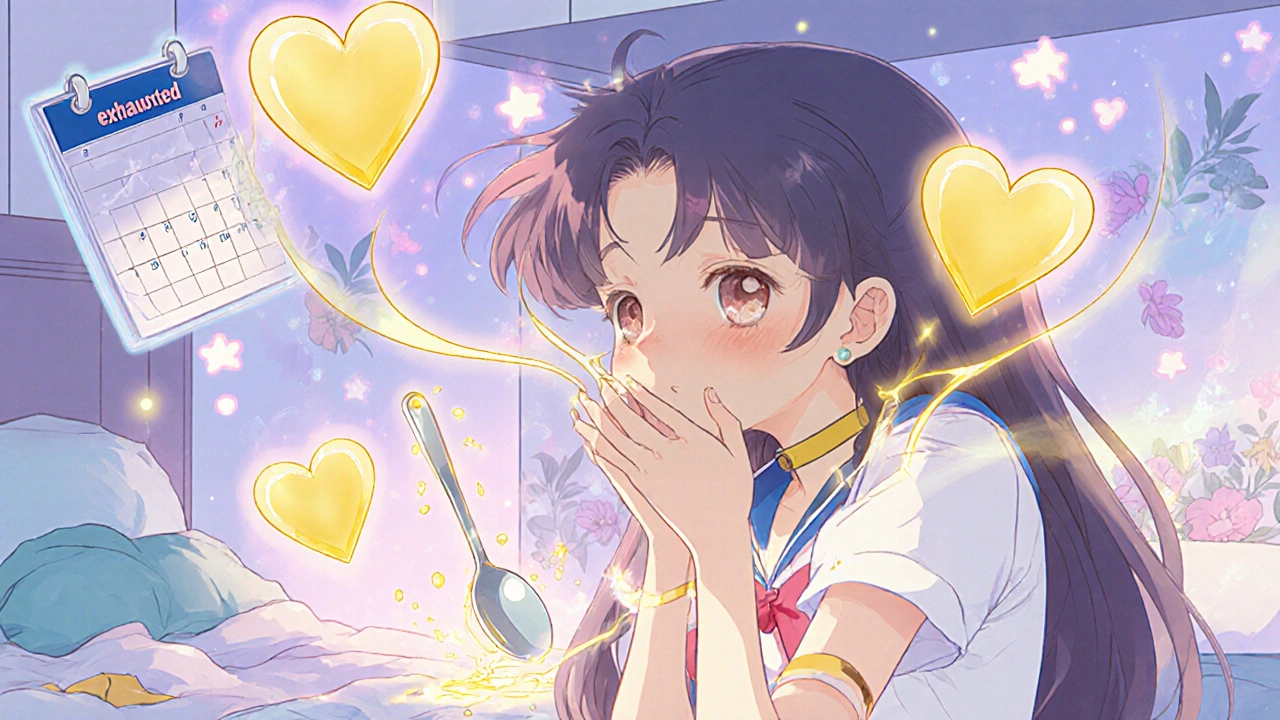
Women’s Heart Disease: Recognizing Unique Symptoms and Effective Risk Management
by philip onyeaka Nov 17 2025 8 Medical ConditionsHeart disease is the leading cause of death for women, yet symptoms often differ from men's. Learn the unique signs like extreme fatigue and jaw pain, and how to manage risk with proven strategies for better outcomes.
READ MORE