
Medication Costs: Why Prices Spike and How to Save Without Risk
When you pick up a prescription, the price tag often feels random—sometimes it’s $5, other times it’s $500. That’s because medication costs, the price you pay for a drug, is shaped by legal rules, corporate strategies, and market gaps, not just production expenses. Also known as drug pricing, it’s not about how much it costs to make, but who controls the market. A pill made for pennies can cost hundreds because the maker has legal protection to block cheaper versions. That’s where regulatory exclusivity, a government-granted period where no generic version can be sold, even after a patent expires. Also known as FDA exclusivity, it’s a key reason why brand-name drugs stay expensive for years. This isn’t a glitch—it’s the system. And it directly impacts your wallet every time you refill a prescription.
That’s why generic drugs, medications with the same active ingredient as brand-name drugs but sold under a different name after exclusivity ends. Also known as generic equivalents, they’re the most reliable way to cut costs without losing effectiveness matter so much. When a drug like Actos or Risperdal loses its exclusivity, generic versions appear—often at 80% off. But not all generics are treated the same. Some patients notice differences in how they feel, which is why the post-market studies on generic drug safety, ongoing monitoring of how generics perform in real-world use after FDA approval. Also known as generic drug monitoring, it helps catch hidden issues before they become widespread exist. The FDA tracks side effects, but you still need to know what to watch for. And when you’re buying online—like cheap Claritin or Lamictal—you need to know which pharmacies are legit. Scams thrive where prices are high and people are desperate.
It’s not just about picking the cheapest option. prescription affordability, how easily a patient can access and pay for needed medications without financial hardship. Also known as drug access, it’s tied to everything from insurance rules to pharmacy location is a puzzle. Some people save by switching from brand-name statins to generics, or choosing a different drug altogether—like swapping Flomax for a cheaper alternative. Others use telehealth to get prescriptions faster, or buy in bulk from trusted international sources. But every choice has trade-offs. Buying Risperdal online might save money, but only if you avoid counterfeit pills. Using ashwagandha to boost thyroid function might seem smart, but it can throw off your levothyroxine dose and cost you more in doctor visits later. The real savings come from knowing the rules, spotting the traps, and making informed moves.
Below, you’ll find real guides on how to cut medication costs without risking your health. From comparing Actos to metformin, to finding safe places to buy generic Claritin, to understanding why some drugs stay expensive for over a decade, these posts give you the tools to take control. No fluff. No theory. Just what works—and what doesn’t—when it comes to paying less for the meds you need.
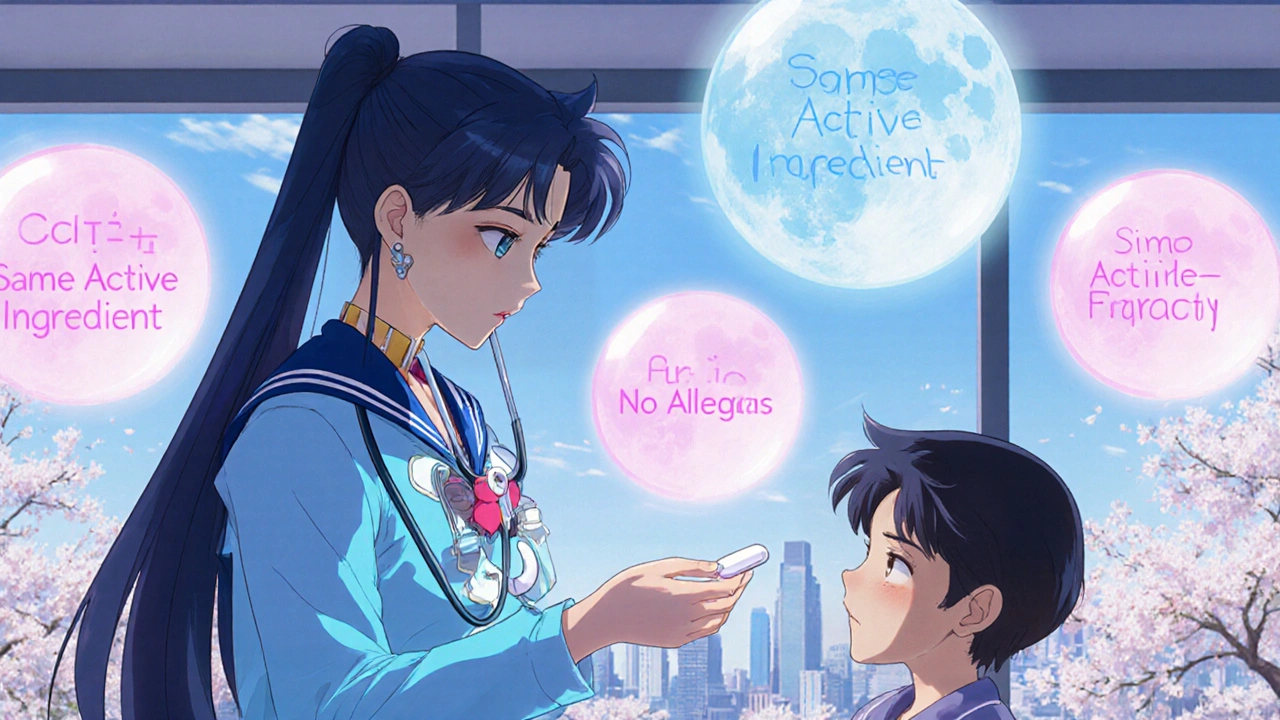
Pharmacist Recommendations: When to Suggest Authorized Generics
by Prudence Bateson Nov 19 2025 13 MedicationsPharmacists should recommend authorized generics for patients with allergies to inactive ingredients, narrow therapeutic index drugs, or complex formulations. These are identical to brand-name drugs but cost 20-80% less. Learn when and how to suggest them safely.
READ MORE
Switching from Brand to Generic Drugs: What to Expect
by Melissa Kopaczewski Nov 18 2025 13 MedicationsSwitching from brand to generic drugs can save money, but it's not always simple. Learn what to expect-when it's safe, when it's risky, and how to protect your health during the transition.
READ MORE