
Medication Interactions: What You Need to Know Before Taking Multiple Drugs
When you take more than one drug, your body doesn’t always treat them like separate guests—it sees them as roommates fighting over space. This is where medication interactions, harmful or unexpected changes in how drugs work when taken together. Also known as drug interactions, they can turn a safe treatment into a serious risk. It’s not just about pills. Supplements like ashwagandha, a popular herb used for stress and thyroid support can spike thyroid hormone levels when mixed with levothyroxine. Even something as simple as warfarin, a blood thinner that requires strict dietary control can become dangerous if you suddenly eat more spinach or kale. These aren’t rare cases. Real people end up in the ER because they didn’t know their daily vitamin could mess with their heart medicine.
Medication interactions don’t always show up right away. Some reactions hit after weeks or even years—like DRESS syndrome from antibiotics or delayed swelling from ACE inhibitors. Others are immediate, like the sudden drop in blood pressure when you mix statins with grapefruit juice. Even switching from a brand-name drug to a generic drug, a cheaper version that’s supposed to work the same way can trigger unexpected side effects in sensitive patients, especially with narrow therapeutic index drugs like warfarin or seizure meds. Pharmacists often see these cases firsthand—patients who thought generics were identical, only to feel dizzy, nauseous, or worse after the switch. The FDA tracks these reactions through post-market surveillance, ongoing monitoring of how drugs behave in real-world use, but you can’t wait for them to catch up. You need to ask questions before you take that next pill.
What you’ll find below isn’t just a list of articles. It’s a practical guide to spotting trouble before it starts. From how supplement interactions, when herbal products clash with prescription meds can overload your liver, to why a medical alert bracelet might save your life during an emergency, these posts cover what actually matters. You’ll learn which foods to watch with blood thinners, how to safely switch generics without risking your health, and why some side effects don’t show up until it’s too late. This isn’t theory. These are real stories, real risks, and real solutions from people who’ve been there. If you take more than one medication—or even one med plus a supplement—this is the info you need to keep yourself safe.
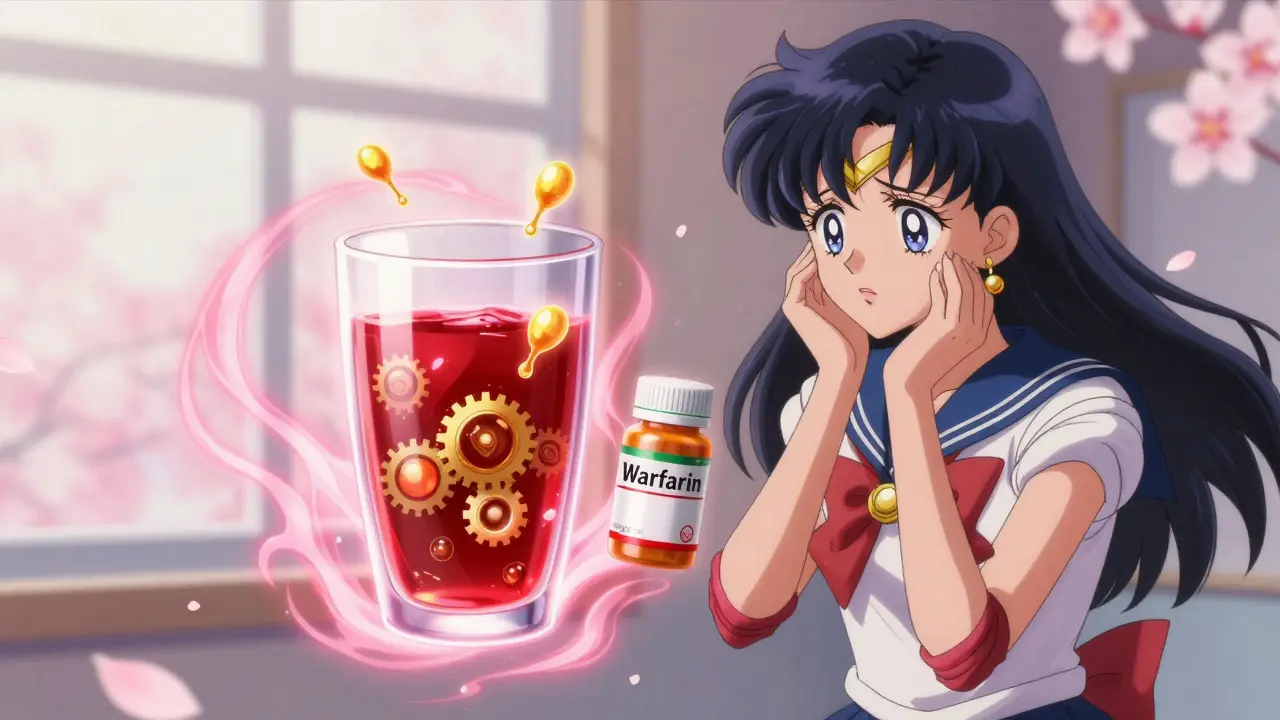
Pomegranate Juice and Medication Interactions: What You Need to Know
by philip onyeaka Dec 31 2025 10 MedicationsPomegranate juice may affect how your body processes certain medications, especially blood thinners like warfarin. Learn which drugs are at risk, what the science really says, and how to drink it safely without compromising your treatment.
READ MORE
Kombucha and Alcohol-Sensitive Medications: What You Need to Know Before You Drink
by Melissa Kopaczewski Nov 19 2025 13 MedicationsKombucha contains trace alcohol that can interact dangerously with medications like antibiotics, antidepressants, and diabetes drugs. Learn what levels are safe, which meds are at risk, and how to avoid serious side effects.
READ MORE